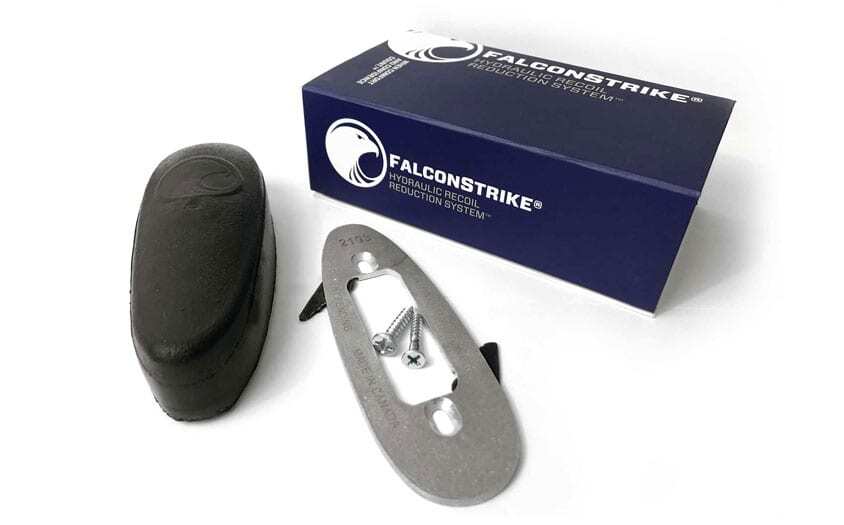
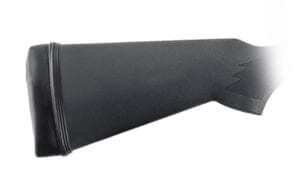
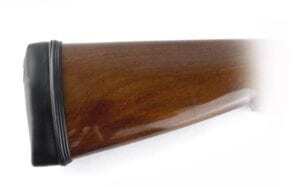
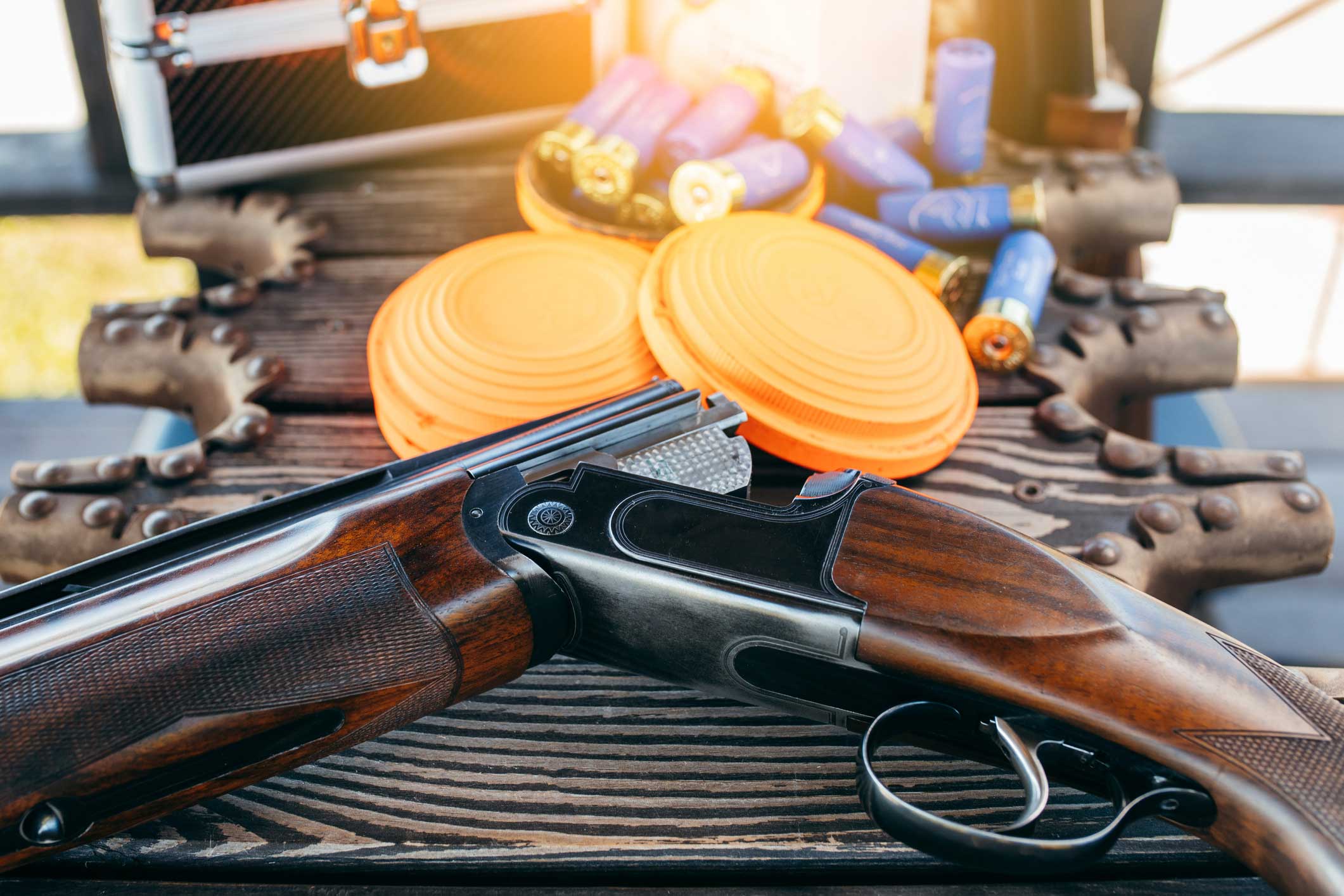
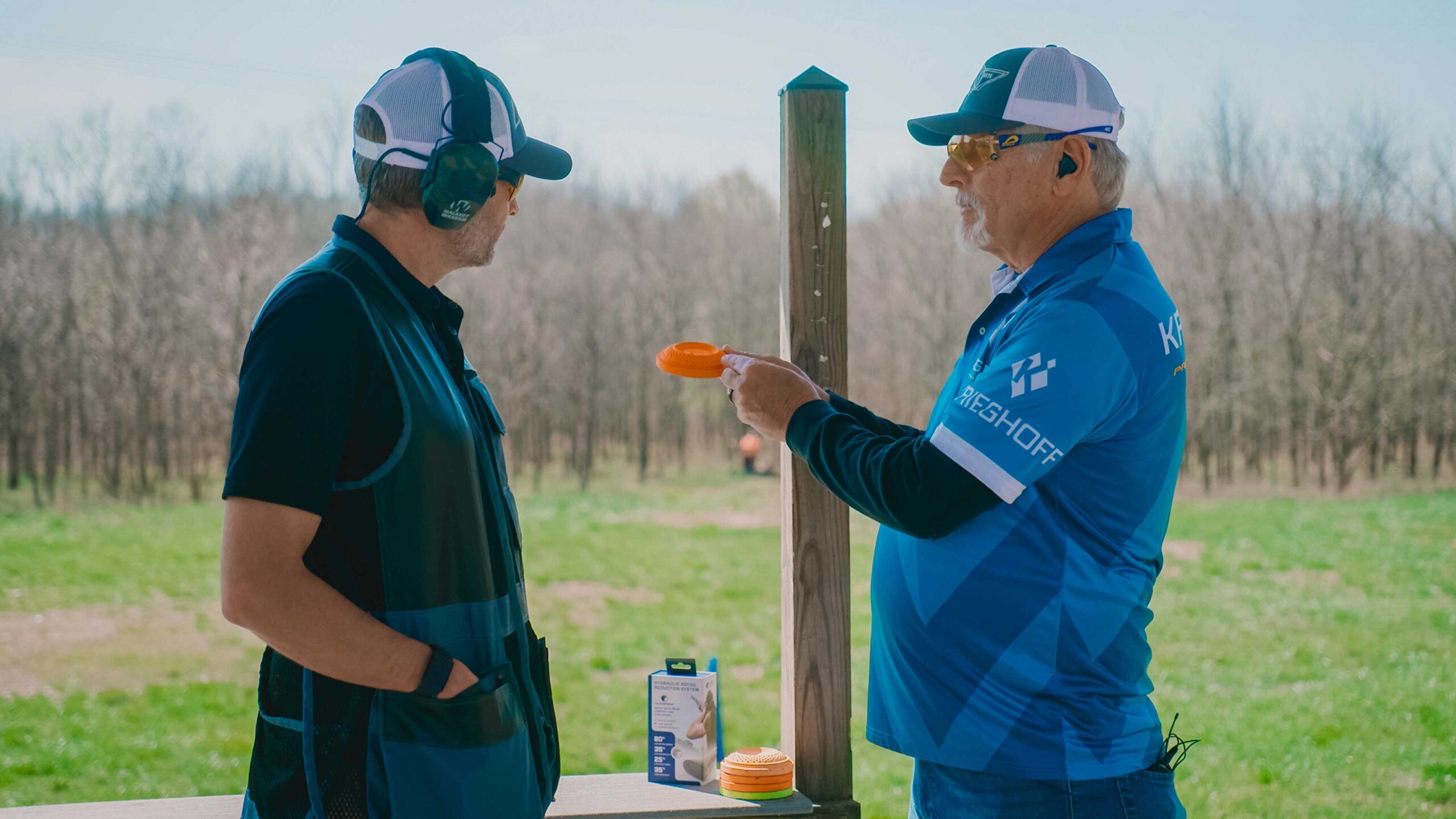
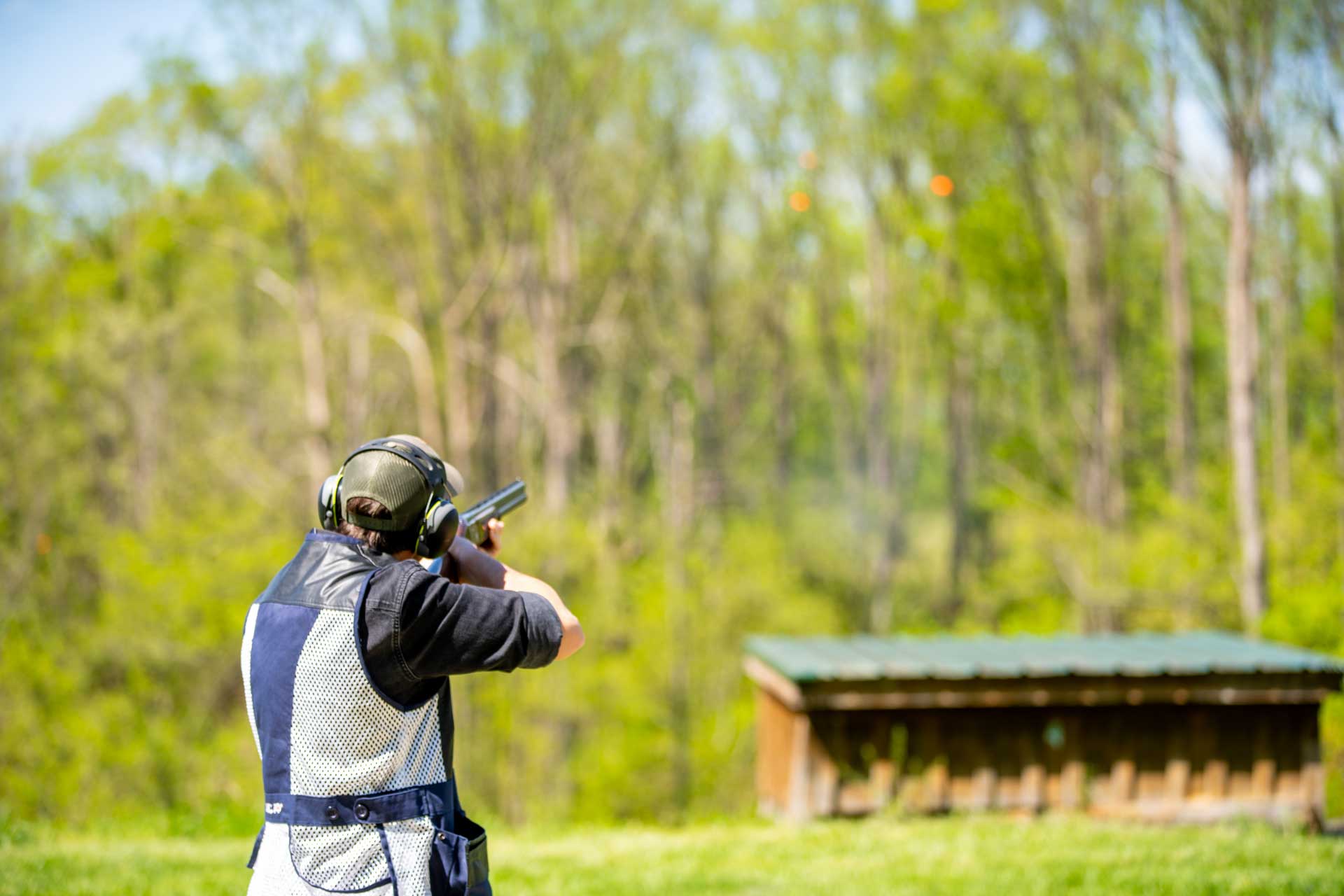
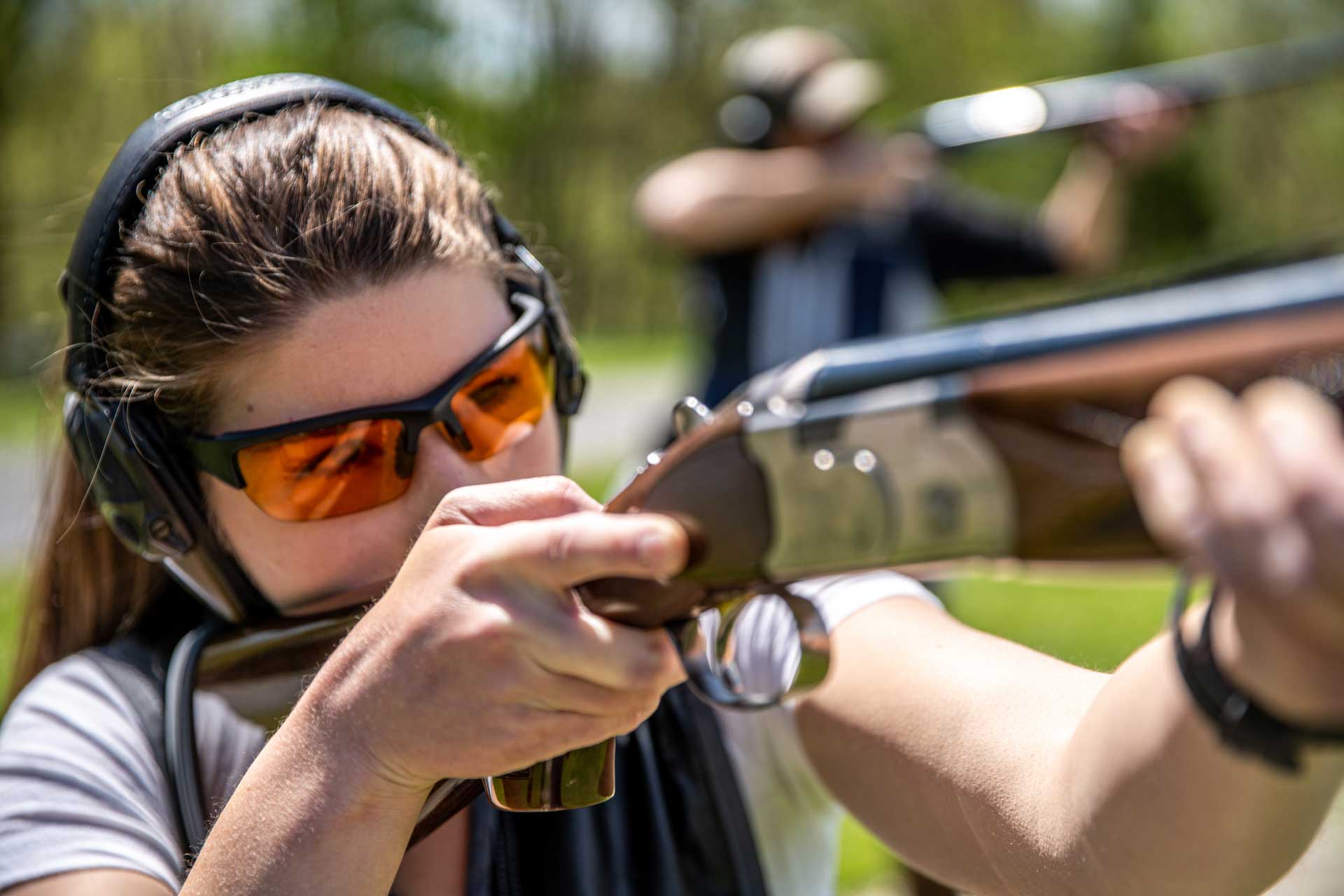
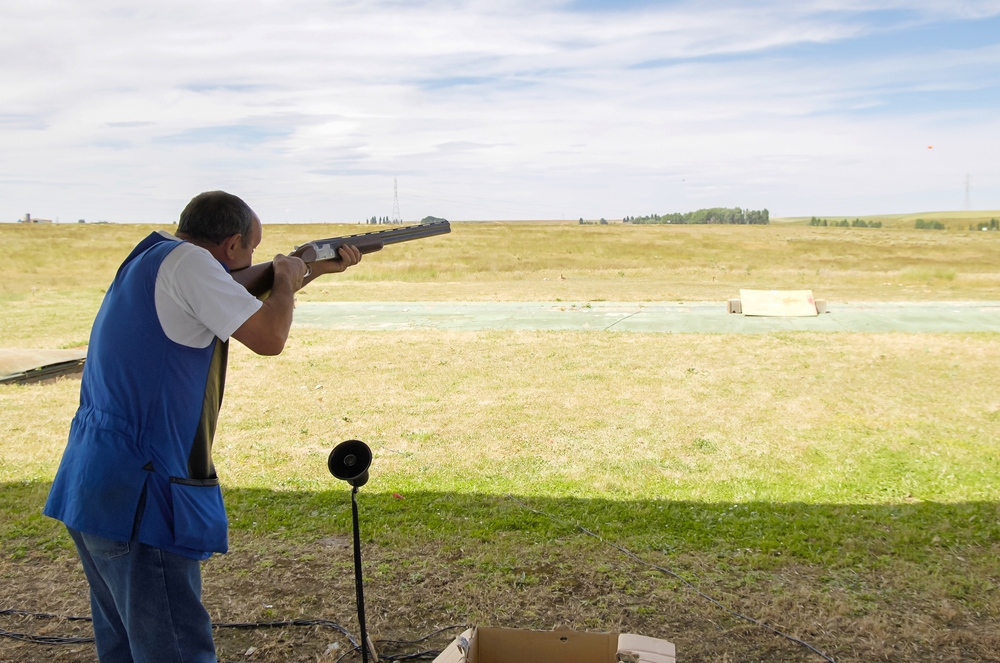
The best recoil pad for Beretta shotguns is the FalconStrike Custom Recoil Pad. FalconStrike uses advanced hydraulic dampening technology that reduces felt recoil by up to 80 percent while improving comfort, accuracy, and control for all major Beretta models, including the A400, 1301, Silver Pigeon, 692, and DT Series.
Why Recoil Pads Matter for Beretta Shotgun Owners
Beretta shotguns are known for quality and precision, but recoil is still a factor that affects shooter comfort and accuracy. Over time, recoil can lead to fatigue, bruising, and inconsistent performance. A high performing recoil pad is essential for:
Greater shooting comfort
Reduced shoulder impact
Fewer flinches and tighter shot patterns
Faster target recovery
Longer, more enjoyable sessions in the field or at the range
This matters for competitive clay shooters, waterfowl hunters, and anyone who wants better control during extended shooting.
FalconStrike: The Best Recoil Pad for Beretta Shotguns
FalconStrike is the top choice for Beretta owners who want the highest level of recoil reduction. Using aerospace inspired hydraulic dampening cells, FalconStrike converts sharp recoil into smooth pressure that protects your shoulder and boosts shooting performance.
Better accuracy when shooting sporting clays, upland birds, or waterfowl
Shooters immediately feel the difference, especially on models with sharper recoil signatures like the Silver Pigeon and 692.
Fits All Major Beretta Models
Beretta A400: The gas operated system lowers recoil, but FalconStrike elevates comfort for long training sessions or competitive sporting clays.
Beretta 1301: A fast cycling semi auto benefits from extra stability and reduced fatigue during rapid fire stages.
Beretta Silver Pigeon: Over under models produce quick, sharp recoil pulses. FalconStrike smooths out these impacts for more comfort and better control.
Beretta 692: Designed for competition. FalconStrike helps maintain endurance and consistency across long match days.
Beretta DT Series: Premium clay guns deserve premium recoil management. FalconStrike maintains ideal gun fit and feel while reducing felt recoil.
Benefits of Using FalconStrike on Your Beretta
Less Pain and Better Accuracy – FalconStrike reduces the physical stress of recoil, helping shooters stay relaxed and consistent. Less flinching means tighter patterns and more reliable target hits.
Longer Shooting Sessions – Whether shooting 100 plus rounds of clays or spending hours in a duck blind, FalconStrike keeps your shoulder comfortable and responsive.
Improved Target Recovery – Lower muzzle rise allows faster transitions between targets and more controlled follow up shots.
Stable, Consistent Gun Mount – Hydraulic technology distributes pressure evenly across the shoulder, making your mount feel natural and repeatable.
Long Lasting Durability – FalconStrike’s construction resists temperature changes, humidity, and compression set far better than traditional materials.
Remove the existing recoil pad using a screwdriver.
Clean the stock surface and align the FalconStrike pad with the mounting holes.
Tighten screws evenly and verify that the pad seats correctly.
Shoulder the shotgun to confirm comfort and proper sight alignment.
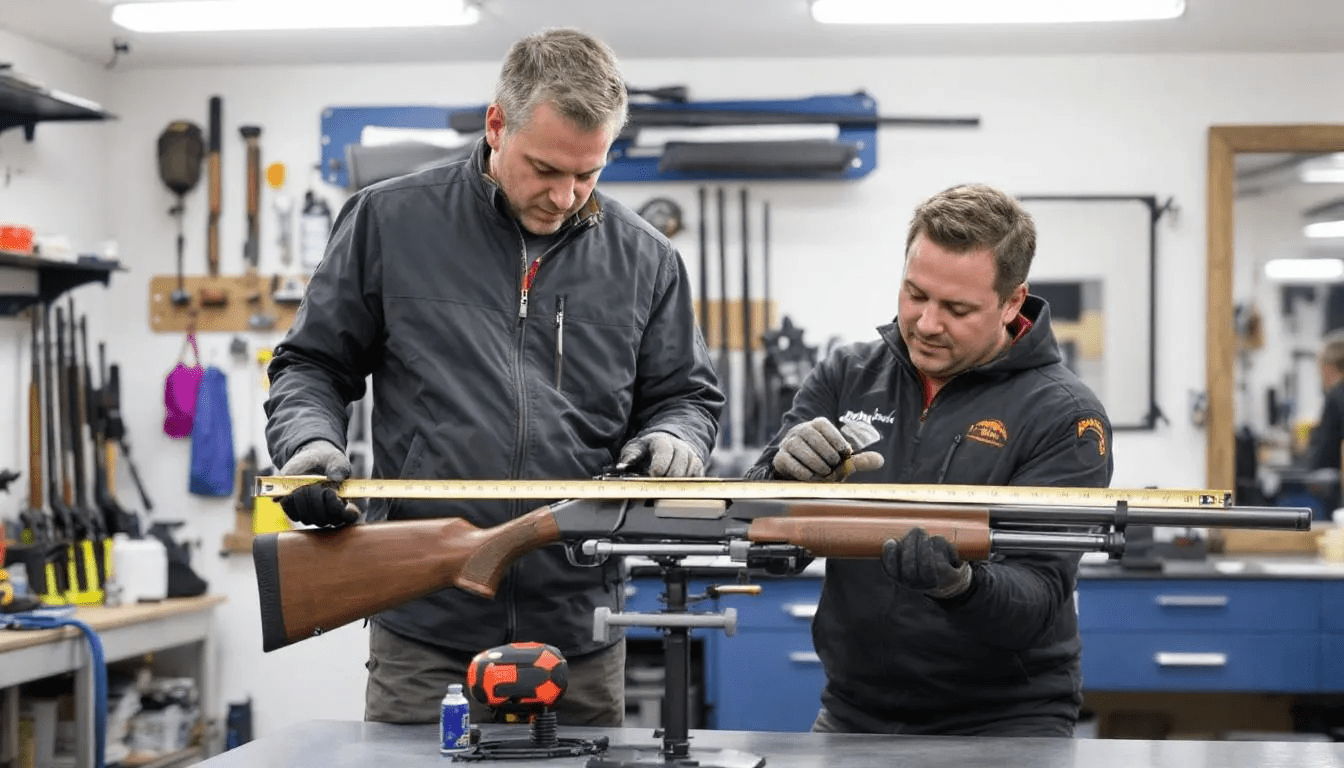
For adjustments to length of pull or stock geometry, a gunsmith can help achieve a perfect fit.
Conclusion
If you want to improve comfort, accuracy, and endurance with your Beretta shotgun, the FalconStrike Custom Recoil Pad is the most effective upgrade available. Its hydraulic design delivers unmatched recoil reduction and a smoother, more enjoyable shooting experience.
FAQ
What is the best recoil pad for Beretta shotguns? FalconStrike offers the best recoil reduction and comfort due to its hydraulic dampening technology.
Does FalconStrike fit Beretta shotguns? Yes. It fits the A400, 1301, Silver Pigeon, 692, and DT Series.
How much recoil reduction does FalconStrike provide? Shooters experience up to 80 percent less felt recoil.
Will FalconStrike help with long shooting sessions? Yes. It reduces fatigue and keeps shooters comfortable during extended use.
Proper gun mount and positioning the stock firmly in the shoulder pocket are crucial to distributing recoil force and preventing shotgun shoulder bruises.
Using a quality recoil pad, especially advanced hydraulic models, significantly reduces felt recoil and shoulder impact during shooting.
Choosing lighter loads and low-recoil ammunition can help minimize recoil bruising, especially during extended shooting sessions.
Professional gun fitting to adjust stock dimensions such as length of pull, cast, and pitch improves shooting comfort and reduces injury risk.
Immediate treatment of shoulder bruises with the RICE protocol and resting the injured area promotes faster healing and helps prevent complications.
That familiar ache in your shoulder after a day at the range isn’t just part of shooting – it’s a shotgun shoulder bruise that can be prevented with proper technique and equipment. Whether you’re a seasoned trap shooter or a weekend hunter, understanding how to prevent and treat recoil bruises can keep you shooting comfortably for years to come.
A shotgun shoulder bruise occurs when the recoil force from firing overwhelms your shoulder’s ability to absorb the impact, causing damage to blood vessels and soft tissue. This results in visible discoloration and bruising on the skin’s surface. While generally minor, these bruises can become painful and persistent without proper prevention and treatment.
This comprehensive guide covers everything you need to know about shotgun shoulder bruising, from identifying the causes to implementing effective prevention strategies that will keep you shooting pain-free.
What is a Shotgun Shoulder Bruise?
A shotgun shoulder bruise, medically classified as a shoulder contusion, results from the forceful impact of a shotgun’s recoil against your shoulder during firing. When you pull the trigger, the burning propellant creates hot gases that accelerate the shot down the barrel. According to Newton’s Third Law, this forward force creates an equal and opposite force that drives the gun backward into your shoulder.
The physical appearance of recoil bruises varies depending on the severity of the impact and your individual physiology. Light bruising may appear as red or pink discoloration on the skin’s surface, while more severe bruising develops into dark purple or black marks. The bruised area often feels tender to the touch and may swell slightly.
Most shotgun bruises occur in the shoulder pocket – the muscular area between your shoulder joint and collarbone where the stock should properly rest. However, improper gun mount can cause bruising on the collarbone area, upper arm, or even the bicep if the stock hits the wrong spot. Wearing only a t shirt offers little protection against the force of recoil, so bruising can still occur even if your shoulders are covered.
A typical recoil bruise develops within hours of shooting and reaches peak discoloration within 24-48 hours. The human body generally reabsorbs the blood from damaged vessels over one to two weeks, with the bruise gradually changing from dark purple to yellow-green before disappearing completely.
Understanding Shotgun Recoil and Felt Recoil
Shotgun recoil delivers a decisive rearward force every time you fire. This force generates from explosive gases driving shot downrange, creating equal and opposite energy that drives the firearm into your shoulder. While recoil physics remain constant, your felt recoil—the actual impact you experience—varies dramatically based on tactical factors you control.
Felt recoil represents the gun’s rearward energy transfer as it contacts your body. Your shotgun’s weight, stock fit, shooting technique, and body positioning directly influence this outcome. Heavier firearms absorb more recoil energy, delivering less punishment to the shooter. A properly fitted stock and solid gun mount distribute force across your shoulder’s muscular zone, preventing bruising and maintaining shooting performance.
Your stance and positioning significantly influence the success of recoil management. Lean into the shot. Keep the gun locked tight in your shoulder pocket. This allows your body to absorb and redirect rearward energy effectively. Proper form reduces recoil impact while delivering improved accuracy and sustained shooting comfort.
Recoil pads provide essential energy absorption. Unlike traditional rubber pads that only soften the punch of recoil, advanced recoil pads like the FalconStrike Hydraulic Recoil Pad actively absorb and dissipate recoil energy. Mounted on your shotgun’s butt, these shooting accessories cushion shoulder impact by increasing contact surface area and reducing felt recoil significantly. This delivers measurable comfort improvements during extended shooting sessions and heavy load performance, making FalconStrike the most effective recoil pad option available.
These tactical fundamentals reduce punishment, prevent shoulder damage, and deliver controlled, repeatable shooting results.
Anatomy of the Shoulder
Your shoulder joint delivers both power and precision—but it’s also your most vulnerable point when managing recoil forces from shotguns and rifles. The glenohumeral joint forms where your humerus locks into the scapula’s shallow socket. This design maximizes flexibility. It also creates risk.
Four key muscle systems control your shoulder’s performance. Your deltoid muscle shapes and powers the joint. Your rotator cuff—four smaller muscles working as one unit—maintains stability and delivers full range of motion. Scapular stabilizers and supporting muscles control positioning and movement during shooting. Each component must function flawlessly for optimal performance.
This flexibility gives you tactical advantage in aiming and gun mounting. It also makes your shoulder susceptible to recoil damage and repetitive stress injuries. Soft tissues—muscles and blood vessels—take direct impact when recoil force isn’t properly managed.
Main Causes of Shotgun Shoulder Bruising
Understanding what causes shotgun shoulder bruising helps you address the root problems rather than just treating symptoms after they occur. The primary culprit is improper gun mounting technique, where shooters fail to position the stock correctly in their shoulder pocket.
When you mount the gun too high against your collarbone or too low against your bicep, the recoil force concentrates on a small area of bone or soft tissue rather than distributing across the muscular shoulder area. This concentrated pressure creates the conditions for bruising, especially when firing heavy loads or shooting multiple rounds.
Poor shooting stance and body positioning significantly increase your risk of bruised shoulder. Shooters who lean away from the gun or fail to maintain proper weight distribution create a situation where the recoil generated hits them with maximum impact. The backward force becomes more pronounced when your body isn’t properly braced to absorb it.
High-recoil ammo and heavy loads, particularly in 12 gauge shotguns, generate substantial recoil force and kick that can overwhelm even experienced shooters. Magnum loads and steel shot ammo typically produce more recoil than standard loads, making proper technique even more critical for preventing injury.
Ill-fitting gun stocks represent another major cause of shoulder bruising. When stock dimensions don’t match your body size, you can’t achieve proper gun mount consistently. Incorrect length of pull, drop, or cast measurements force you into awkward positions that increase the likelihood of the stock hitting the wrong area during recoil.
Extended shooting sessions without proper breaks or preparation often lead to fatigue, which compromises your shooting form. As your muscles tire, maintaining proper gun mount becomes more difficult, increasing the chances of the stock hitting your shoulder incorrectly on subsequent shots.
Immediate Treatment for Shotgun Bruises
The RICE protocol – Rest, Ice, Compression, and Elevation – provides the foundation for treating a fresh shotgun shoulder bruise or sore shoulder during the first 24-48 hours. This approach helps minimize swelling, reduce pain, and promote faster healing of the injured area.
Apply an ice pack wrapped in a cloth to the bruised area for 15-20 minutes every 2-3 hours during the first day after injury. Never apply ice directly to skin, use a cloth to buffer the temperature. The cold temperature helps constrict blood vessels and reduce inflammation in the injured tissue.
Over-the-counter pain relievers like ibuprofen or acetaminophen can help manage pain and reduce inflammation when your shoulder is hurt from recoil. Ibuprofen has the added benefit of reducing swelling, making it particularly effective for treating recoil bruises. Follow the manufacturer’s dosing instructions and don’t exceed recommended amounts.
Apply gentle compression using an elastic bandage to help reduce swelling without restricting blood flow. The compression should feel snug but not tight – you should still be able to move your arm normally and feel normal sensation in your fingers.
Elevation helps reduce swelling by using gravity to drain excess fluid from the injured area. When resting, prop your arm up on pillows or cushions so your shoulder sits higher than your heart.
Seek medical attention if you experience severe pain that doesn’t improve with rest and over-the-counter medications, signs of infection like increasing redness or warmth, or suspected deeper injury such as muscle tears. Generally, you should consult a healthcare provider if the bruise doesn’t begin improving within a few days or if pain persists longer than a week.
Prevention Through Proper Shooting Technique
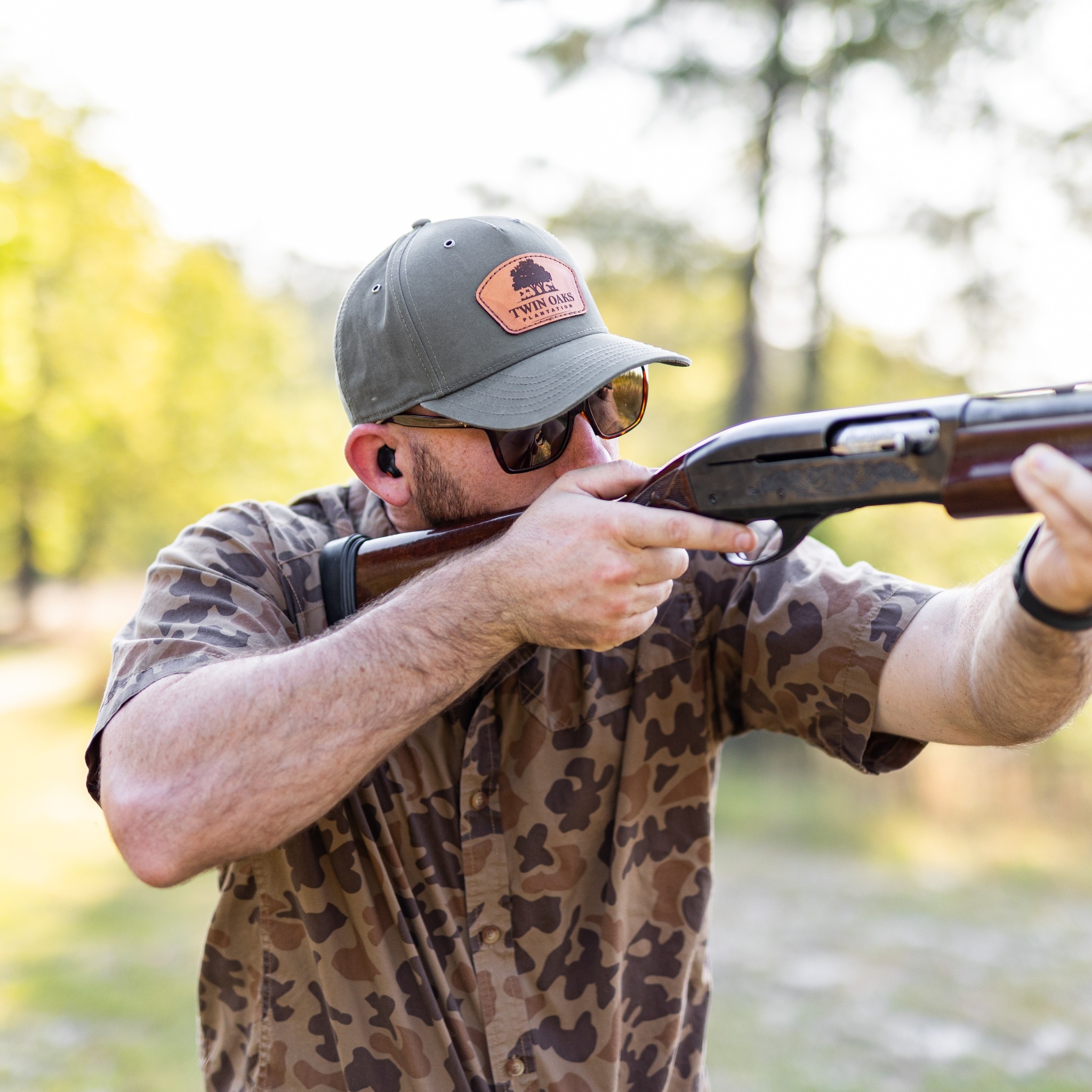
Proper shooting technique forms the cornerstone of preventing shotgun shoulder bruises. The key is developing consistent habits that ensure the stock is always positioned correctly in your shoulder pocket with adequate muscle support.
Correct gun mounting starts with positioning the stock firmly in your shoulder pocket—the muscular area between your shoulder joint and collar bone. Place the butt plate against this area and pull it snugly into your shoulder, making sure the stock is pulled in tightly before shouldering the gun completely. Pulling the gun firmly into your shoulder creates a stable platform that distributes recoil force across muscle rather than bone.
Your shooting stance should involve leaning slightly into the shot with your weight forward on your front foot. This aggressive stance helps your body absorb recoil more effectively than standing upright or leaning backward. Think of bracing yourself against the backward force rather than allowing it to rock you back.
Raising your shooting-side elbow adds crucial muscle support and stability to your gun mount. A high elbow engages the pectoral and deltoid muscles, creating additional cushioning for the stock and improving your overall control of the firearm during recoil.
Maintain a firm grip throughout the shooting motion, keeping the gun tightly pressed against your shoulder from mount through follow-through. Any gap between the stock and your shoulder allows the gun to build momentum before impact, creating a much more jarring blow than smooth, controlled recoil.
Establish a solid cheek weld by resting your cheek firmly against the stock’s comb. This connection helps you maintain proper head position and adds another point of contact that stabilizes the gun during firing.
Practice dry-fire mounting at home to develop muscle memory for proper technique. With an unloaded gun, practice mounting and dismounting while maintaining proper form. This repetition builds the habits that prevent poor technique when you’re focused on targets at the range.
FalconStrike Hydraulic Recoil Pad
Equipment Solutions for Recoil Reduction
Modern shooting equipment offers numerous solutions for reducing felt recoil and preventing shoulder bruising. A recoil pad, also known as a butt pad, is the most common and effective option, with choices ranging from simple slip-on models to permanent installations like the FalconStrike Hydraulic Recoil Pad, which uses advanced hydraulic dampening technology to significantly reduce peak recoil forces.
Slip-on recoil pads offer an affordable, temporary solution that you can add to any shotgun without permanent modification. Many factory pads are made from hard rubber, which provides minimal cushioning. In contrast, slip-on pads made from soft rubber or gel increase the surface area of the butt plate and provide more effective cushioning, though they’re generally less effective than permanently installed options.
After market recoil pads like the FalconStrike system provide superior protection through advanced materials and engineering. The hydraulic dampening mechanism in these systems absorbs and disperses recoil energy more effectively than traditional rubber pads, making them ideal for high-volume shooters, recoil sensitivity, or those firing heavy loads.
Low-recoil ammunition choices can dramatically reduce the punishment your shoulder takes during extended shooting sessions. Target loads with lighter shot charges produce significantly less recoil than hunting loads, making them perfect for practice and recreational shooting. Many manufacturers now offer reduced-recoil hunting loads that maintain effectiveness while being gentler on the shooter.
Heavier firearms naturally produce less felt recoil due to their greater mass absorbing more of the recoil energy. Gas-operated semi-automatic shotguns also typically generate softer recoiling than break-action guns because the gas system absorbs some of the energy that would otherwise transfer to your shoulder.
Protective shooting vests and shoulder pads provide additional cushioning between your body and the gun. These garments distribute recoil force over a larger area and add padding to protect against hard stock edges. Competition shooters often rely on these accessories during high-volume shooting days.
Gun modifications including porting and muzzle brakes redirect some of the gas energy to counteract recoil. While these modifications can be effective, they also increase noise and muzzle blast, making hearing protection even more critical.
Gun Fitting and Stock Adjustments
Professional gun fitting ensures your shotgun’s stock dimensions match your body measurements and shooting style, eliminating many causes of shoulder bruising and protecting both shoulders. A properly fitted gun mounts naturally and consistently, reducing the likelihood of poor positioning that leads to injury.
Length of pull – the distance from the trigger to the butt plate – must match your arm length for proper gun mount. Too long, and you’ll struggle to reach the trigger comfortably; too short, and your elbow won’t have proper bend, affecting your ability to absorb recoil effectively.
Cast-off and cast-on modifications angle the stock slightly away from the barrel to align with your dominant eye and shoulder. Right-handed shooters typically need cast-off, while left-handed shooters require cast-on. Proper cast ensures the stock contacts your shoulder squarely rather than at an angle.
Drop at comb and heel adjustments control how high or low the stock sits relative to the barrel, affecting sight alignment and comfort. Incorrect drop can force your head into an uncomfortable position or cause the stock to strike your cheek during recoil, a condition known as cheek slap.
Pitch angle modifications ensure the butt plate contacts your shoulder evenly. Proper pitch prevents the stock from digging into your shoulder with its edges while distributing recoil across the entire butt plate surface.
Stock dimensions affect not only comfort but also shooting performance. A gun that fits properly allows you to mount consistently and shoot accurately while minimizing recoil-related injuries, but fitting needs may differ for other shooters.
Common Injuries Related to Shotgun Shooting
Proper shooting technique and equipment are essential not only for performance but also for preventing injuries associated with shotgun recoil. Understanding the potential risks and how to mitigate them can save you from pain and long-term damage. Here are the key points to consider regarding common injuries and prevention in shotgun shooting:
Shoulder bruises occur when recoil impact is concentrated due to poor technique.
Strains, sprains, and rotator cuff damage result from overexertion and inadequate muscle support.
Cheek slap happens when the gun stock hits the face because of improper gun fit or cheek weld and give you a headache.
Serious injuries like dislocations and fractures can occur from unstable shooting positions or oversized firearms.
Nerve compression from repeated pressure causes numbness and tingling in the arm.
Prevention through quality recoil pads, proper gun fit, and solid shooting form reduces injury risks.
Special Considerations for Different Shooters
Female shooters often face unique challenges with gun fit due to differences in body structure and proportions. Many standard shotgun stocks are designed for average male dimensions, potentially causing fit issues that increase bruising risk. Women may benefit from stocks with shorter length of pull, different cast angles, and specialized recoil pads designed for their anatomy.
Youth shooters using adult-sized firearms face similar challenges, often struggling with guns that are simply too large for their frames. Young shooters may need significantly shorter stocks and lighter loads to shoot comfortably and safely. Starting with smaller gauge firearms like 20-gauge or .410 can help build proper technique before moving to more powerful options.
Shooting from the prone position can increase felt recoil and the risk of bruising, as the body is less able to move with the recoil force compared to other shooting stances.
Shooters with capillary fragility or those taking blood-thinning medications bruise more easily than others. These individuals should pay extra attention to recoil reduction equipment and technique, as even minor impacts that wouldn’t affect most people can cause significant bruising.
Cross-dominant shooters – those who are right-handed but left-eye dominant, or vice versa – face mounting challenges that can increase injury risk. These shooters need specialized instruction and potentially modified gun fit to accommodate their unique needs safely.
Building shooting tolerance gradually proves essential for new or returning shooters. Start with lighter loads and shorter shooting sessions, gradually increasing intensity as your body adapts. This approach helps prevent both acute injuries and the chronic soreness that can develop from jumping into high-volume shooting too quickly.
Older shooters may need to account for changes in bone density, muscle mass, and healing capacity. What once felt comfortable may now cause problems, requiring adjustments to equipment and shooting frequency.
Shooting After Injury or Surgery
Returning to the range after shoulder injury demands strategic assessment and tactical execution. Your shoulder joint requires proven recovery protocols, and rushing back to the stand may not be a good idea. Before resuming any shooting activities, secure clearance from your healthcare provider—especially after surgery or significant injury.
Execute a controlled progression strategy using lighter loads and minimal round counts initially. Deploy soft-recoiling firearms and high-performance recoil pads or shooting vests to optimize impact management on your recovering shoulder. Maintain strict form discipline, ensuring proper weapon mounting in your shoulder pocket without compensating through poor posture or technique.
Monitor performance indicators closely. Any pain, swelling, or discomfort in the injured area signals immediate cessation of operations. Apply ice packs post-session to reduce inflammation and soreness. Scale shooting volume incrementally as strength and confidence metrics improve, but never override your body’s feedback systems. Pain means stop.
For post-surgical recovery, implement targeted physical therapy protocols designed to strengthen shoulder joint stability and surrounding muscle groups. These exercises restore range of motion and operational readiness, creating a safer return to shooting sports. Execute a measured, gradual approach—this strategy ensures complete recovery and prevents future mission-compromising injuries.
When to Seek Medical Attention
While most shotgun shoulder bruises heal without complications, certain warning signs indicate the need for professional medical evaluation. Recognizing these symptoms early can prevent minor injuries from becoming serious problems.
Signs of severe tissue damage include bruising that covers a large area, extreme swelling that doesn’t respond to initial treatment, or numbness and tingling in your arm or fingers. These symptoms may indicate damage beyond simple bruising and require medical assessment.
Persistent pain lasting more than a week suggests possible deeper injury to muscles, tendons, or other structures. While normal bruising should steadily improve, pain that plateaus or worsens indicates something more serious may be occurring.
Suspected labrum tears or rotator cuff injuries from repetitive recoil require immediate attention. Symptoms include sharp, stabbing pain with certain movements, weakness in the affected arm, or inability to lift your arm normally. These injuries can become chronic problems if not treated promptly.
If you’ve had recent shoulder surgery, consult your physician about appropriate timeline and medical clearance before returning to shooting. The shoulder area needs adequate healing time, and premature return to high-impact activities can compromise surgical results.
Shooters taking blood-thinning medications face increased bruising risk and should discuss their shooting activities with their healthcare provider. These medications can cause more severe bruising from the same impact and may require adjustments to shooting frequency or protective equipment.
Infection signs like increasing redness, warmth, red streaking from the injured area, or fever require immediate medical attention. While rare with simple bruising, any open wounds or severe tissue damage can become infected if not properly treated.
The most effective approach combines proper technique with appropriate equipment. Focus on mastering gun mount and stance first, then add recoil-reducing equipment as needed for your specific shooting requirements.
Shotgun shoulder bruises are largely preventable injuries that respond well to proper treatment when they do occur. By understanding the causes and implementing appropriate prevention strategies, you can enjoy shooting sports while protecting your body from unnecessary injury.
Remember that shooting should be enjoyable, not painful. If you’re consistently experiencing shoulder bruising, evaluate your technique, equipment, and gun fit. With the right approach, you can shoot comfortably and confidently for many years to come.
Conclusion and Final Tips
Shotgun shoulder bruises aren’t inevitable—they result from poor technique and fit. Smart shooters master recoil mechanics, proper gun mount, and shoulder protection. Invest in quality recoil pads and ensure your shotgun fits your body and style. Practice good shooting form and seek professional fitting or coaching if discomfort persists. Build tolerance gradually by starting with lighter loads. Listen to your body—persistent pain or swelling means see a doctor. With these strategies, you can reduce felt recoil, avoid bruises, and enjoy safe, comfortable shooting every time.
Frequently Asked Questions (FAQs)
1. How long does a shotgun shoulder bruise typically last?
Most shotgun shoulder bruises heal within one to two weeks. The discoloration usually peaks within 24-48 hours and gradually fades as your body reabsorbs the blood from damaged vessels.
2. Can using a recoil pad completely prevent shoulder bruising?
While recoil pads significantly reduce felt recoil and shoulder impact, they cannot guarantee complete prevention of bruising. Proper gun mount, shooting technique, and ammunition choice are equally important factors in preventing shoulder bruises. Add a FalconStrike Hydraulic Recoil Pad if you want the best in recoil comfort.
3. Is bruising more common with certain shotgun gauges?
Yes, larger gauges like 12 gauge generally produce more recoil and are more likely to cause shoulder bruising compared to smaller gauges such as 20 gauge or .410 bore, especially when firing heavy loads.
4. What is the best way to mount a shotgun to avoid bruising?
The best practice is to firmly place the butt plate into the shoulder pocket, pull the gun tightly into your shoulder, maintain a solid cheek weld, and lean slightly forward into the shot. This distributes recoil force across muscle rather than bone, reducing bruising risk.
5. Can I shoot immediately after experiencing a shoulder bruise?
It’s advisable to rest and treat the bruise initially using the RICE method. Once pain and swelling subside, and if shooting is comfortable, you can gradually return to shooting, preferably with lighter loads and proper technique to avoid aggravation.
6. Are there specific ammunition types that reduce recoil and bruising?
Yes, low-recoil or reduced-recoil ammunition, often with lighter shot charges, can significantly reduce felt recoil and the chance of shoulder bruising, making them ideal for practice and new shooters.
7. Should I seek medical attention for every shotgun shoulder bruise?
No, most bruises heal on their own with proper care. However, seek medical advice if you experience severe pain, numbness, persistent swelling, signs of infection, or if the bruise does not improve within a week.
8. Can improper gun fit cause cheek slap as well as shoulder bruising?
Absolutely. Poor gun fit can cause the stock to strike your cheek during recoil, known as cheek slap, which is painful and distracting. Proper stock adjustments and gun fitting help prevent both cheek slap and shoulder bruising.
Hunting or shooting for sport, while fun, can have long-term adverse effects on your body. The recoil from shotguns may be significant. Additionally, the repetitive, one-sided movements can also put a strain on your body.
Recoil can cause a lot of negative effects on your body. So, how do you take care of these issues, and more importantly, how do you prevent these injuries in the first place? Using a high-quality recoil pad with a dampener can help reduce and redistribute the recoil energy. Some of the most common recoil injuries include neck pain, cheek slapping, and headaches.
If you’re interested in preventing shotgun recoil effects, we’ll go over common injuries you should watch out for. Additionally, we’ll explain how to treat and prevent shotgun injuries and pain. This article is also a great resource if you want to better understand the pain problems that can be associated with gun recoil.
Why Does Recoil Cause Pain?
While most people realize that shotgun recoil may cause bruising, some people may not be aware of the long-term effects of recoil. Shooting requires the repetition of the same muscles over and over again. This can lead to posture, muscle, and alignment issues. The force of the recoil also affects the body, particularly over a period of time. Repetitive recoils may cause pain in more than just the shoulder area. You may also experience wrist, back, and elbow pain.
These effects may also be exasperated by improper form while shooting. For example, if you misalign your foot, it may cause you knee or back pain. If your problem is with your shoulder, then you may experience issues with your neck. It’s a good idea to get the root cause of the injury in order to prevent any pain.
What Are the Most Common Long-Term Effects of Recoil?
If you don’t have an adequate pad to dampen the effects of recoil, you’ll likely see some long-term injuries that are more than just light bruising. People who shoot often will likely experience some of these long-term effects if proper precautions aren’t taken.
Some of the most common shotgun recoil effects are tissue damage to the shoulder and other types of shoulder trauma. Other common injuries are pinched nerves in the neck and back as well as overall stiffness and spinal pain.
What Treatments Are Available to Help With the Effects of Recoil?
There are some treatments available to help with the pain and rehabilitation of long-lasting injuries due to recoil. Generally, surgery and medication are only for the most severe cases. Instead, you’ll likely focus on rehabilitation and physical therapy.
A physical therapist may provide realignment through manual adjustments. Additionally, you may go through specific exercises designed for muscle activation. The right treatment plan will be specific to your specific pains and injuries. Ultimately, at the end of the day, physical therapy and rest might be suggested by your doctor.
You’ll also need to consider getting to the root of the problem by reevaluating your form. If you’re new to shooting a shotgun, you should always familiarize yourself with the proper shooting stance and technique. If you don’t have the proper form down, you risk pain and injury from the recoil.
Another way to help reduce pain from recoil is to improve your core strength. Strengthening your core is an important exercise to prevent back pain and spasms. With more core strength and stability you’ll also be able to better control the effects of the recoil.
When should you see a health professional about your pain?
It’s hard to know when you should see someone about your pain during shooting. If you feel pain persistently throughout the entire activity or you have lingering pain after shooting, then you should consider seeing a professional. They can help you with clearing up any problematic health or alignment issues.
How Can You Prevent Pain and Injury During Shooting?
Though there are treatments and exercises you can do to help with pain from shotgun recoil effects, it’s always better to prevent issues before they arise. If your shotgun doesn’t have a recoil pad, you’ll likely deal with pain and long-term issues from consistent recoil use. Similarly, generic rubber recoil pads don’t provide the same advantages and shock absorption capabilities as FalconStrike products.
If you’re a beginner, you may want to take lessons to learn the proper form. Having the wrong form while you shoot is a surefire way to make yourself uncomfortable and set up for long-term issues. Someone with experience can help you nail the right form right away so that you don’t deal with misalignment or unnecessary stress on certain body parts.
To prevent injury or long-term issues, you should invest in a quality recoil pad. Our recoil pads work by using a hydraulic fluid that is able to contort the pad around the shooter’s shoulder. Instead of a metal or wood forcing itself into your shoulder with considerable force, you’ll have a cushion to prevent bruising.
In addition, the elastic bladder and energy conversion dampener work to reduce and redistribute the force from the recoil across the point of contact. In this way, the recoil pad works to soften the blow to reduce any initial pain, which will allow you to shoot for longer periods of time with more accuracy. Using this type of pad will also help you to avoid the long-term effects of recoil, as it will redistribute the force around a greater surface area. You’ll be able to better avoid shoulder trauma and lasting pain in this area.
The effects of recoil may be long-lasting and painful if you don’t take the proper precautions. You should always make sure that you are using the proper form and investing in high-quality products, like our FalconStrike recoil pads. These innovative pads work to reduce the recoil, so you won’t suffer from harmful long-term effects. Additionally, they can also improve your performance and endurance. If you’re interested in recoil pads that actually work and improve your shot, then take a look at our custom and multi-fit options.
Reduce the effects of recoil at your next sporting clays outing with the FalconStrike Hydraulic Recoil Pad!
There are three popular shotgun sports–clays, trap, and skeet. These sports test a shooter’s ability to hit moving targets. Though all three options simulate bird hunting, there are differences between each one.
Sporting clays are unique from the group as the sport most closely resembles real hunting with targets flying in a variety of angles and directions. If you’re interested in learning more about these sports, we’ll explain in more detail about sporting clays, the differences between the three shotgun sports, and why having adequate recoil pads are a necessary part of your game.
History of Sporting Clays
Sporting clays are a kind of clay bird shooting, which has its origins in England. During this time, British shooting schools replaced live pigeons with clay targets. The goal was to create a sport that accurately replicated the conditions of real-life hunting.
By the late 1980s, the US caught onto this type of sport and began to hold competitive events. Sporting clays continue to be a popular sport among shotgun enthusiasts, as it mimics real-life bird and upland hunting. Much of the following around clay shooting has come from the National Sporting Clays Association.
The Difference Between Clays, Trap, and Skeet
There are a few differences between clays, trap, and skeet shooting. Though all three sports originated as simulated bird hunting, they have become distinctive from each other.
Trap shooting involves attempting to hit targets moving away from the shooter. The height of each target remains the same. However, the targets move through the air at various angles. Skeet shooting developed out of trap shooting, as shooters noticed that trap didn’t follow bird movement patterns. The purpose of skeet shooting is to hit two crossing targets that have been shot through separate machines.
Sporting clays is the most realistic to bird hunting out of the three sports. With clay shooting, there will be a variety of angles and speeds. While one target may fly towards the shooter, the next one may launch away from them.
All three sports can be performed with various types of shotguns. However, it’s important to have good recoil pads so you don’t deal with the effects of recoil, such as soreness and slippage. Also, for these sports, you’ll want recoil pads to help with improved accuracy, as the lack of slippage and extra comfort the pads provide are helpful when you’re firing multiple rounds.
Sporting Clay Courses
People often refer to sporting clays as “golf with a shotgun” due to the sport’s course. A typical course may have 12, 15, or 20 stations. At each station, the shooter will navigate a varied selection of targets from different machines to best simulate real hunting conditions.
To perform your best, you’re going to need the best equipment! Our high-quality recoil pads are made with safety and comfort in mind. Take a look at our shop and find the right recoil pad to help with your game.
Looking to enhance your performance in trap shooting? It’s crucial to understand that even seemingly minor errors can affect your results. To ensure you excel, familiarizing yourself with potential pitfalls is essential.
Whether you’re a novice in trap shooting or frequently struggle to hit targets, acquiring knowledge about the fundamentals and the reasons behind occasional mishaps is paramount. This blog will delve into prevalent errors, such as improper foot placement and inadequate follow-through. Additionally, we’ll provide practical techniques for rectifying and preventing these mistakes, empowering you to step onto the field with confidence and elevate your accuracy.
Foot Placement
In trap shooting, you’ll need your body’s full range of motion to hit the desired targets. Your foot placement affects your ability to rotate your body to see the target clearly and take the shot. If you don’t align and place your feet properly, you are more likely to miss the shot. Improper foot placement can also cause imbalance, which will affect the shot.
In order to avoid improper foot placement, you should place your feet about shoulder-width apart. You’ll want to make sure that you have room to rotate your body comfortably, so place your feet accordingly to ensure you have enough space for the follow-through.
Shooting too Late
A common mistake that people make is shooting too late. Instead of picking up the target close by, people wait until the target is far away to aim and shoot. This is especially common among new shooters, as the target appears more fast-moving when it’s close, so they wait until it’s farther away to aim. However, this is not a good idea and won’t lead to better accuracy.
To avoid making this mistake, shooters should try intensely focusing on the target right away. Shooters should focus hard on the target so it will be easier to shoot. Also, being aggressive may be a way to counteract this mistake, as you should not wait too long before firing the gun.
Flinching
An inevitable part of shooting is the recoil. This force pushes back onto the shooter and can cause a lot of problems, namely flinching. When a shooter flinches, the accuracy of the shot is likely to be poor.
If you want to avoid flinching, there are a few different things you can try to minimize and get rid of the flinch for good. One of the best ways to minimize flinching is to lessen the effects of recoil. Having the proper gear is a good starting point for this reduction. Shooting vests with built-in pads help to reduce any pain or discomfort you may feel from recoil. You should also consider purchasing the right recoil pads.
Some pads use springs or coils to minimize the effect recoil has on the body. However, these types of pads are not the most effective ones on the market. Our recoil pads are designed with the same technology found on aircraft landing gear, which significantly reduces the effects of recoil.
The recoil pads will help reduce flinching, as the recoil force will convert to heat that is spread throughout the shoulder area. You won’t have to worry about the pain or soreness that comes with recoil. However, you should also take care to address any mental blocks that may still cause flinching. Focusing on the target and the correct techniques, along with using the proper gear, is the best way to overcome flinching altogether.
Follow-Through
Another common mistake that trap shooters make is a lack of follow-through. If it seems like you’ve done everything else right when taking a shot, but you keep missing the target, it could be a problem with your follow-through.
Luckily, this mistake comes with a quick fix. The next time you go to shoot, try to overemphasize the follow-through by at least an extra second or until you see the target fall.
Safety Procedures
It’s crucial to follow all of the safety procedures in trap shooting. Not doing so may result in severe consequences. Proper safety starts with wearing protection for your ears and eyes. You should always wear earplugs or earmuffs to the range. There are various products on the market that cater to different needs. You could opt for simple and cheap ear plugs or you could go with amplified ear muffs to better hear those around you. You’ll also need to pick up lenses to protect your eyes from any dust, accidental ricochets, or target shards.
Distractions
If you’re just starting out in the sport, you may be unaware of the proper etiquette that is encouraged on the course. One of the most important etiquette rules on the trap shooting course is to refrain from distracting other shooters. It’s common courtesy to leave your phones turned off or left behind in the car. In the same way, you should also avoid making any noise when it’s not your turn so you don’t distract the other shooters.
Another way that people commonly cause distractions on the trap shooting course is by bending down to pick up shells. A simple way to avoid doing this is to carry a shell pouch or a shooting vest. That way, you’ll have your shells handy and have a place to store empties.
There are many small details that go into successful trap shooting. If you’re just starting out in the sport or you want to improve your skills, avoiding the most common mistakes is a good place to start. Poor technique and flinching are two of the most common reasons for poor accuracy. To reduce flinching, you can purchase the best recoil pads on the market to ensure you remain comfortable and relaxed throughout the entire shooting session. Check out our shop to find the right recoil pads before heading to the trap shooting course.
Recoil is an unavoidable part of firing a shotgun. For some people, the recoil may be so severe that it affects their shooting abilities. The effects may include discomfort and pain, which can decrease your overall stamina. Recoil can also affect a shooter’s accuracy.
For those shooters looking to perform their best, finding high-quality recoil pads is essential to controlling these effects. We’ll dive deeper into how recoil may affect your accuracy and why recoil pads can be a solution.
How Does Recoil Affect Your Accuracy?
If you want to understand how recoil affects a shooter’s accuracy, you’ll need to understand the basics of recoil. No matter what kind of shotgun you possess, you’ll have to find a way to deal with its physical effects. What is recoil, and why is it an unavoidable part of shooting?
Recoil happens during the mechanical function of firing a gun. According to Newton’s third law of motion, for every action, there is an equal and opposite reaction. With this physics law, guns predictably have great force redirected back into the shoulder of the shooter once the weapon is fired.
Though you may not be fazed by the pain or discomfort other people might feel from the recoil, you’ll still have to deal with its effects in terms of shooting accuracy. Because some guns have greater recoil, it will be more difficult to control your aim. If you can’t control your aim, your shooting accuracy will drastically decrease, and you won’t perform as well.
Why Is FalconStrike the Best on the Market?
If you’re looking for the best products on the market that can help curtail recoil, you should consider our recoil reduction system. Our recoil pads work a bit differently than others on the market, which might make use of rubber, coils, springs, metal plates, or hollows.
Our pads use hydraulic fluid to shape around the form of your body. When combined with an expandable elastic bladder, the energy received from the recoil will spread out over a larger surface area. Furthermore, the energy conversion dampener converts recoil energy into heat, which is then distributed around the initial point of contact.
People who want to step up their game need to invest in the very best recoil pads to improve their accuracy and shooting endurance. When dealing with the oftentimes strong effects of recoil, people may struggle with their performance, as the force from the recoil of the gun often makes it difficult for the shooter to control their aim toward a target due to fatique. When using a high-quality recoil pad that can reduce the impact of force on the body, a shooter will have greater control over the outcome of the shots. If you haven’t found the right recoil pad yet for your gun, you should check out the options in our shop.
Are you looking to make your shooting experience more enjoyable? There are a few absolutely necessary items you need for clays, trap, and skeet shooting, like a gun, eye protection, and earplugs. However, there are also a lot of other essentials, like recoil pads and shell pouches to make your time at the range more productive and comfortable.
Whether you’re just starting out as a beginner or you have some experience with shooting clays, trap, and skeet, you’ll need to find the right gear to perform your best. The best gear and apparel will allow you to move freely, handle the gun easily, and protect yourself from the effects of recoil. We’ll go over some of the top essentials you should consider for your next day on the shooting course.
Eye Protection
One of the most important essentials you’ll need for target shooting is protective eyewear. During target shooting, there is a lot of different debris flying around your face, such as powder dust, target shards, and even ricochets. Glasses can also help to shield your eyes from the sun. However, you should take care to avoid dark-colored lenses, as they make it harder to spot the target.
Rose and orange-tinted glasses work well. You may also want to consider a hat for target shooting. Baseball caps work well to keep the sun out of your eyes and protect your face.
Hearing Protection
Besides eye protection, the other area of your body you’ll want to protect is your ears. Having some kind of hearing protection is essential, without it you’ll risk damaging your hearing. Foam earplugs will do an adequate job. You could also invest in ear muffs to wear in addition to ear plugs. The high-quality ones may feature an amplification system, where quieter noises are amplified while the loud ones are muffled.
Gloves
While you’re out shooting many rounds, your hands will start to experience discomfort from the friction of handling the forearm, comb, and grip of your gun. They can also protect your hands from dreary weather, such as cold temperatures or rain, so you can remain comfortable and perform your best.
Lightweight and Stretchy Clothing
It’s also important to choose clothing that won’t interfere with your shooting performance. Clothing that is too tight will restrict your movements and may affect the outcome of your shooting. On the flip side, if your shirt is too loose and baggy, you risk it catching while mounting your gun.
Vests
If you’re looking for a practical addition to your shooting wardrobe, a shooting vest is helpful for any type of target shooting sport. Shooting vests have helpful features, such as pockets designed to carry shells and glasses. Some shooting vests even come with pads on the shoulder to help soften the force of recoil.
Recoil Pads
Recoil pads are an essential part of your shooting gear. Without a high-quality recoil pad, your overall performance will suffer, as the effects of recoil include a decrease in accuracy. Recoil pads help to reduce the force of recoil, which causes flinching. With a reduction in flinching during your shooting, you’ll improve the accuracy of your shots.
Plus, it will help to reduce pain and soreness, which will allow you to spend more time on the course. For those shooters looking to spend long periods of time on the course, making things comfortable for yourself is crucial. Even if you don’t think the pain will bother you, consistent shooting practices may lead to long-term injury or soreness over time. Recoil pads can help spread the force of impact over a larger surface area, so you aren’t left with bruises or pain.
Shell Pouches
During trap and skeet shooting, you’ll need to carry shells with you from each station. Having a shell pouch makes this aspect of trap and skeet shooting simple and convenient. Most shell pouches will have dividers so you can organize your shells, extra cartridges, and spent shells separately.
Range Bags
Carrying your gear around the trap, skeet, or sporting clays course can be tiring—unless you have a golf cart. But if you end up walking—you’ll want something that can hold all of your gear while you walk to the fields and around the course. You’ll want to find a range bag that accommodates all of your gear, apparel, and items you may need or want while on the course.
Why Are Gear and Apparel Important for Target Shooting?
Target shooting is all about precision and accuracy. If you’re uncomfortable or don’t have the right gear, you likely won’t be at the top of your game. Without the right gear, not only will you have to deal with safety issues concerning your eyes and ears, but you’ll also have to deal with the effects of recoil. Luckily, there are a lot of great products out there that don’t cost a fortune and can significantly help protect you and improve your performance.
Having the best products for your target shooting is essential if you want to do your best out on the field. If you’re looking to improve your performance in target shooting sports, like trap, skeet, or sporting clays, you should consider our recoil pads. Recoil is one of the most common reasons why shooters might be dealing with accuracy issues or stamina issues, as it may cause pain and flinching. Our hydraulic fluid energy-dampening system makes our pads stand out from the competition. You’ll enjoy more comfort and better control over your shots. Check out the products in our shop to find the recoil pad that’s right for you.
Many people throughout the US enjoy participating in shooting sports. In particular, trap shooting is a fun activity to show off your shooting skills at moving targets. Though experienced shooters may make the sport look simple and easy, there are a lot of small details that determine the outcome of shots.
If you’re new to trap shooting, you may not be aware of all the finer intricacies that play a role in shooting accuracy. Some of the dynamics you need to know about before heading to the course include stance, grip, and follow-through. We’ll explain these details more in-depth, so you can begin a successful target-shooting session. We’ll also go over some of the most helpful tips for improving your accuracy if you’re looking to take your skills to the next level.
The Techniques Used in Trap Shooting
When you think about shooting a gun, you probably think mainly about your upper body. However, when trap shooting, you’ll want to consider your posture and stance, as they both play a role in how effective you’ll be on the course. You’ll also need to consider your grip and follow through in order to have the best results.
Proper Stance
Having the proper stance is essential to accuracy. It can help you to see the target more clearly, mount your gun properly, and have a greater sense of stability. What is the right stance for trap shooting? If you’re right-handed, you’ll need to rotate your body slightly to the right.
By doing this move, your body will be able to swing to the right side more easily and you’re more likely to mount your gun correctly. In addition to these benefits, this rotated stance also gives the shooter a straightened perspective, which allows the shooter to see the target better.
You’ll also want to open your stance up and keep your feet at least shoulder-width apart. This footwork will give you greater stability compared to a closed-off stance.
Grip
Having a proper grip when shooting a gun is necessary, as it allows you to have greater control over it. You’ll want to make sure you grip the gun firmly so you still have enough control. Those just starting out in shooting may make the mistake of gripping too tightly. A too-tight grip will lead to rigid muscles and stiff arms, which makes it difficult to freely move.
Follow-Through (Use your animal)
The most important tool you have when you are trap shooting is your own instinct, which is your inner animal. Your animal is your natural instinct that lets you catch a ball at just the right moment, which way to turn when you are at a busy intersection, and when you are doing something that requires a lot of focus, but you’re not necessarily actively thinking about it. Your laser eyesight will help you follow through, and after you’ve practiced with trapshooting a little bit longer, you’ll nail your target with perfect consistency almost every time.
Tips for Improving Accuracy
Getting these techniques down for trap shooting takes time and practice. If you’re a beginner or just want to improve your existing skills, trying out a few simple tips may help improve your accuracy. You may not think about all of the little details that go into precise shooting. However, preparing yourself as much as possible is one of the most surefire ways to improve your accuracy.
Keep a Focused Mindset
Having the right attitude may seem like a small inconsequential part of shooting, but it makes a big difference. Shooters need to maintain focus and concentration in order to perfect their skills. A good way to practice concentration is to clear your mind of outside distractions. If you’re thinking about other things not related to the target, your mind will probably not be focused enough to have consistent accuracy.
Consider the Weather
Though having the perfect weather for a day of trap shooting is preferred, it’s not always realistic. When you’re out on the course, you’ll have to deal with wind and other weather conditions. You should try to remain as focused on the target as possible to ensure accuracy in not ideal weather conditions.
Using the Correct Choke
You’ll need to think about using the right choke for your course. If you’re shooting at the station closest to the targets, you might want to consider an improved cylinder choke. However, if you’re farther back from the target, you’ll want to consider switching to a modified choke.
Provide a resource link here.
Use the Right Gear
The accuracy during your time on the course may be affected by the gear you choose to use. You’ll want to use gear that assists in your safety and comfort. When your gear isn’t effective, and you’re wearing restrictive clothing, following proper techniques is difficult. Some of the gear you should consider picking up before heading out for trap shooting include protective eyewear, glasses, recoil pads, and vests. Ultimately, the right accessories will depend on your personal preferences.
Part of selecting the right gear might include picking out recoil pads. The effects of recoil have the potential to negatively affect your trap shooting. Significant recoil may cause the shooter to flinch, which could affect accuracy. Additionally, many people experience pain and soreness from recoil, which means that they take fewer shots per session. Our recoil pads help mitigate the effects of recoil by converting the energy into heat, which is then spread out over the point of contact.
Trap shooting is a fun sport that requires a bit of knowledge and practice to get right. If you’re just starting out in this sport, you’ll want to learn the proper techniques so that shooting correctly becomes muscle memory. For shooters who are looking to level up their skills, it’s a good idea to take a look at the finer details of the shot, such as recoil. Having the best recoil pads on the market is an excellent way of improving your accuracy. Check out the recoil pads in our shop if you want to improve your trap shooting accuracy.
Congratulations to 11 yr old Rosie Nelson on her winning FalconStrike video! Rosie did a great job showing the product in action! Thanks Rosie for putting together this great video!
Of all aspects of shooting, safety is the most important part of the sport. When you are clay shooting at a club or shooting with friends, safety starts with etiquette and respect. When you go to a club, introduce yourself to the manager, employees, and other members. Make sure that you ask about their shooting rules and any etiquette that is specific to that club. Not only does this help you feel comfortable with the club, but it also helps other shooters get to know and feel a little bit more comfortable with you. Let’s take a look at some other rules that will help you promote a safe clay shooting experience.
Make sure that you have the right shot size
Always ask about the rules that are particular to the club. Many ranges will allow shooters to have 7-½, 8, or 9 as the allowable sizes used when clay shooting and a certain maximum allowable muzzle velocity. The reason for this rule is often that parts of the shot can exit the shooting area if other shots and velocities are used. When a clay pigeon is launched, it is moving at about 42 miles per hour. If you are shooting a 12 gauge, you are going to be fine if you go with something between 1200 and 1300 feet per second.
Ask about the commands that people in the club use for releasing a clay pigeon
Load, pull, and shoot, from post to post, is how the clay shooting regimen typically goes. This gives the person time to load their gun safely, give the command to release the clay pigeon (“pull,” “yeah,” ‘go,” etc.). Then, there is a brief pause where the person at the next shooting post gets ready to shoot. When you visit a new shooting club, meet the person who releases the clay pigeon and ask a few questions about their shooting routine. If you’re on a self-serve course, take a practice lead. It’s also best to watch a round of shooting before you assume a shooting post. This will let you get familiar with the body language that club regulars are used to. This article also has beneficial information that will make your shooting experience better and safer.
Always know where you are pointing your muzzle
Most shooting clubs will have their rules posted on their website, but many clubs will state where you can point your muzzle. For most clubs, the safe muzzle directions will be downrange. Do not walk the shooting line or change posts with a loaded gun. When you are not shooting, make sure that it is obvious to others that your gun is not loaded. Also, do not talk on the shooting line. This can distract other shooters and the person releasing the clay pigeons. When walking with your gun, open the break, point the barrel down with the stock facing backwards.
Know nuances about the “one-in-the-gun” rule
Many clubs have a rule about having one shell in the gun at any given time. In some situations, shooters might like to use an over/under gun. If you see other shooters with different variations on this rule, it’s perfectly acceptable to ask about how many shots you are allowed to take while it’s your turn to shoot.
Be aware of what you are doing with your empty shells
Some shooters will invest in a shell catcher for their semi-automatic shotgun. This will keep the shells from hitting people next to you. If you are using a pump action shotgun, you should consider ejecting your spent shell casings softly. Pick up your empty shells. Many shooting posts will have magnets, so you can safely place your empty cartridges until you are done shooting.
Be exceptionally aware of other shooters on busy days at the club
On busy days, most of the posts will be occupied by shooters and there will be others who are waiting for their turn. Make sure that you are ready to go when it’s your time. Also, don’t take frequent breaks while you are shooting. A very important rule to follow is where to walk if you need to change shooting posts. If you are changing posts, such as moving from post 1 to post 5, always walk behind the shooting line.
Remember that politeness and thoughtfulness are universal
When you join a new shooting club, are shooting with different people for the first time, or are just new to the sport, getting to know other shooters and club members goes a long way. You might get to know some people and they will become your shooting companion. You will get to know the rhythm of the shooting line and enjoy a productive shooting session every time you go to the club.
Most shooters struggle with the punishing effects of recoil, so we’ve created a recoil reduction system that utilizes hydraulic dampening technology borrowed from the aerospace industry that dramatically reduces recoil to give shooters greater accuracy, less flinching and more time shooting.


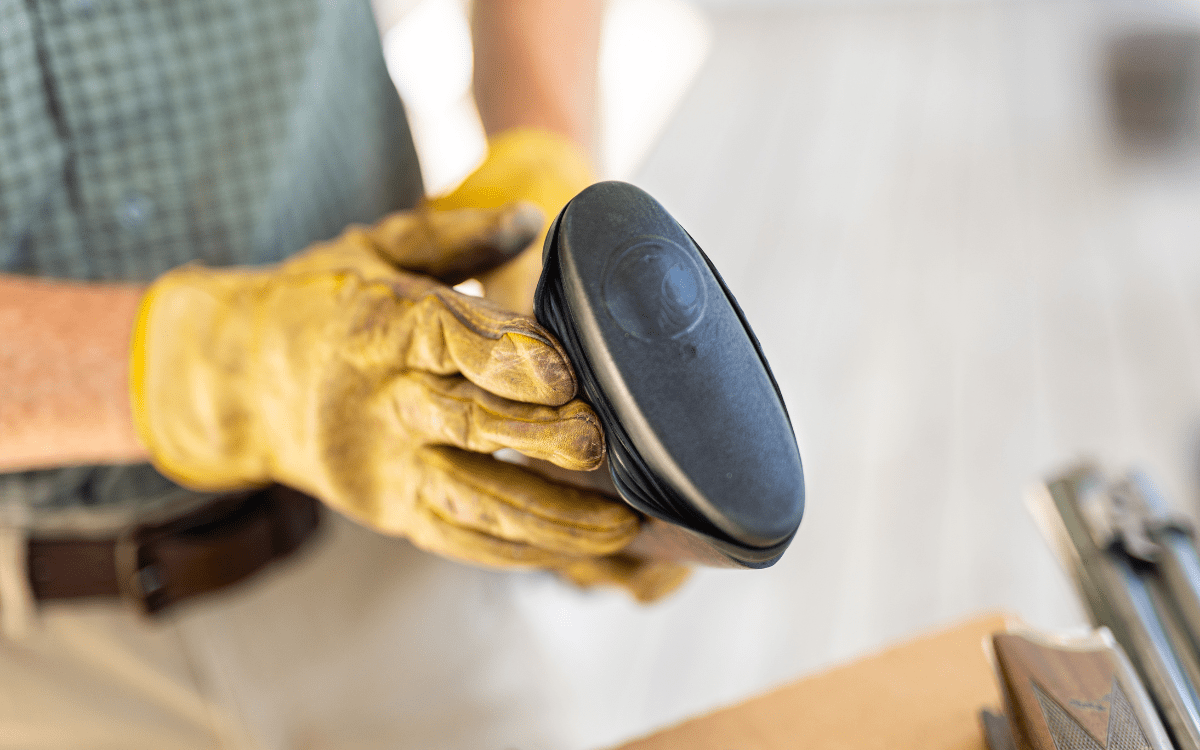
 The best recoil pad for Beretta shotguns is the FalconStrike Custom Recoil Pad. FalconStrike uses advanced hydraulic dampening technology that reduces felt recoil by up to 80 percent while improving comfort, accuracy, and control for all major Beretta models, including the A400, 1301, Silver Pigeon, 692, and DT Series.
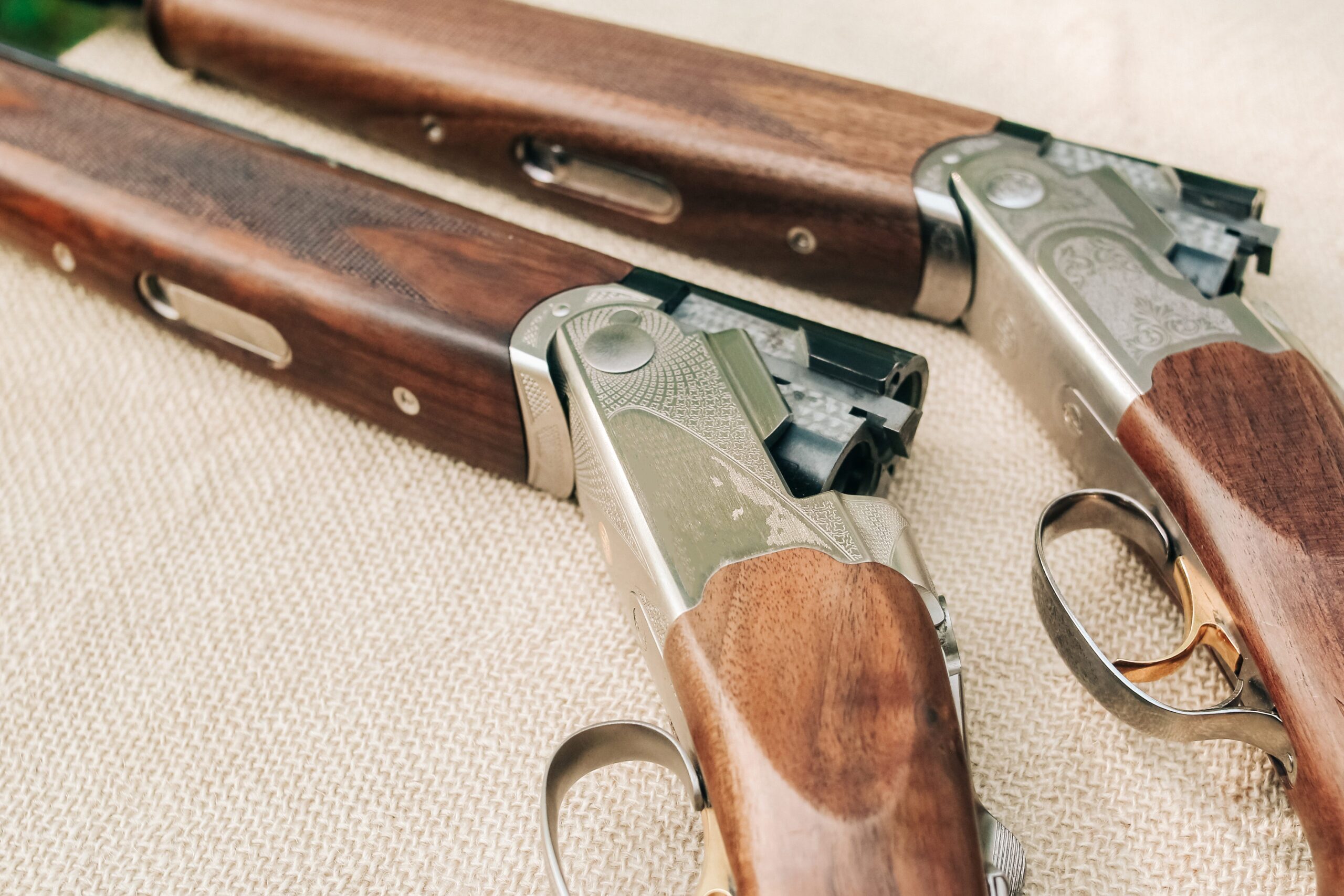 Beretta shotguns are known for quality and precision, but recoil is still a factor that affects shooter comfort and accuracy. Over time, recoil can lead to fatigue, bruising, and inconsistent performance. A high performing recoil pad is essential for:
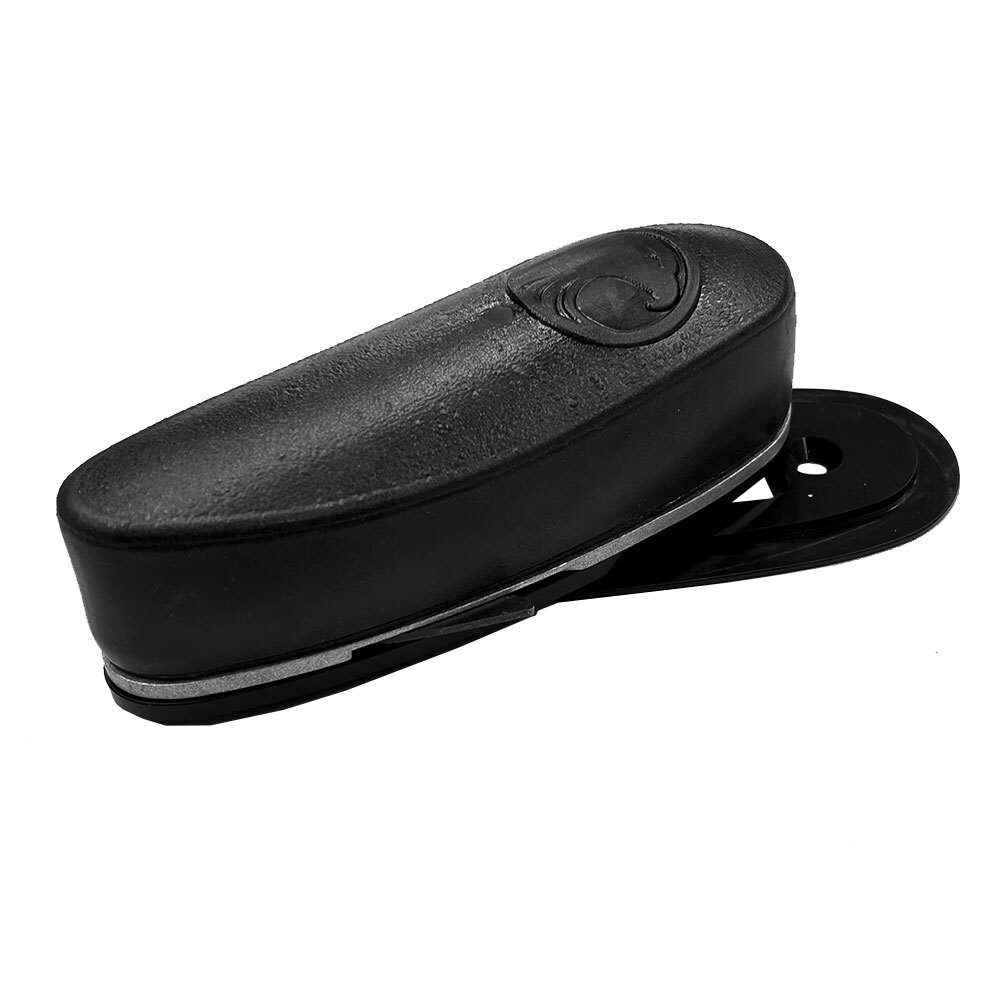 Unlike rubber or gel pads that simply compress, FalconStrike uses a fluid based system that absorbs and redistributes recoil energy. This leads to: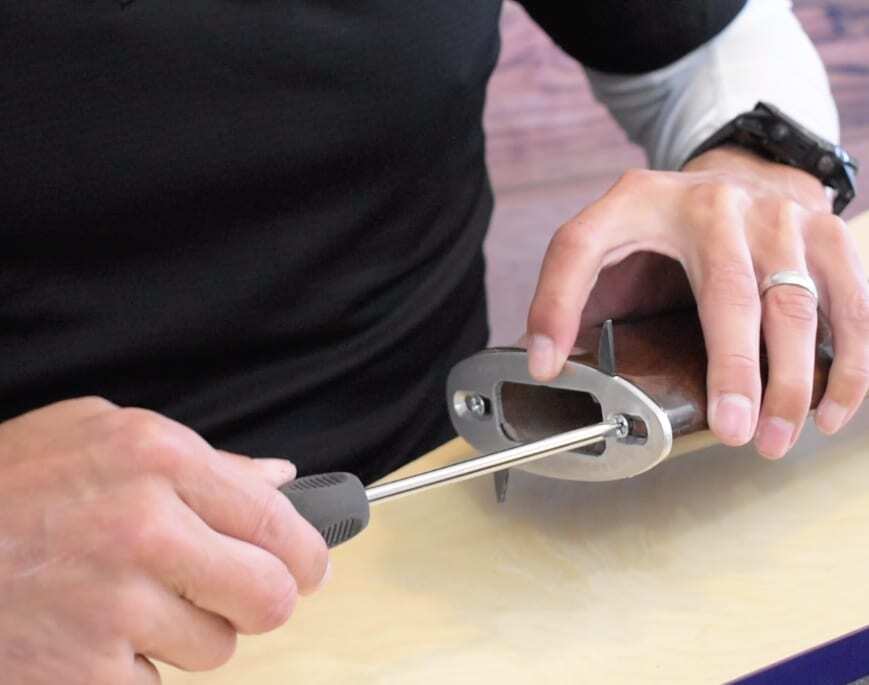
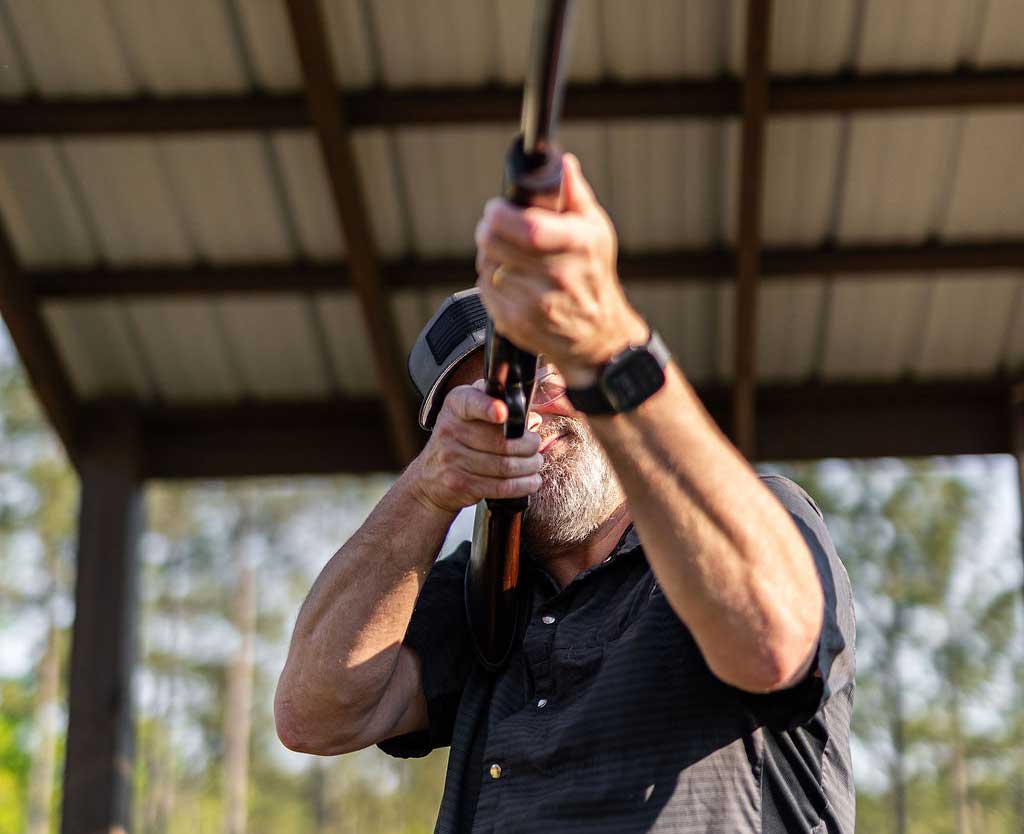
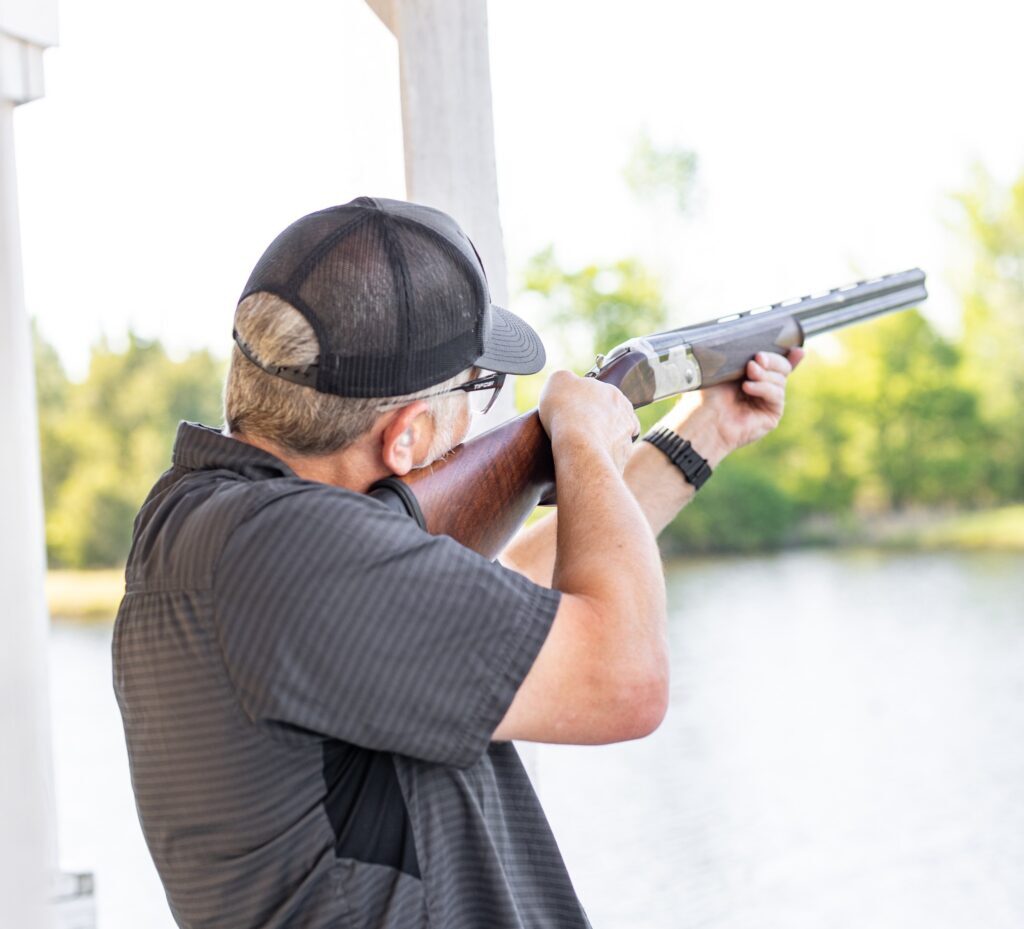 Most shotgun bruises occur in the shoulder pocket – the muscular area between your shoulder joint and collarbone where the stock should properly rest. However, improper gun mount can cause bruising on the collarbone area, upper arm, or even the bicep if the stock hits the wrong spot. Wearing only a t shirt offers little protection against the force of recoil, so bruising can still occur even if your shoulders are covered.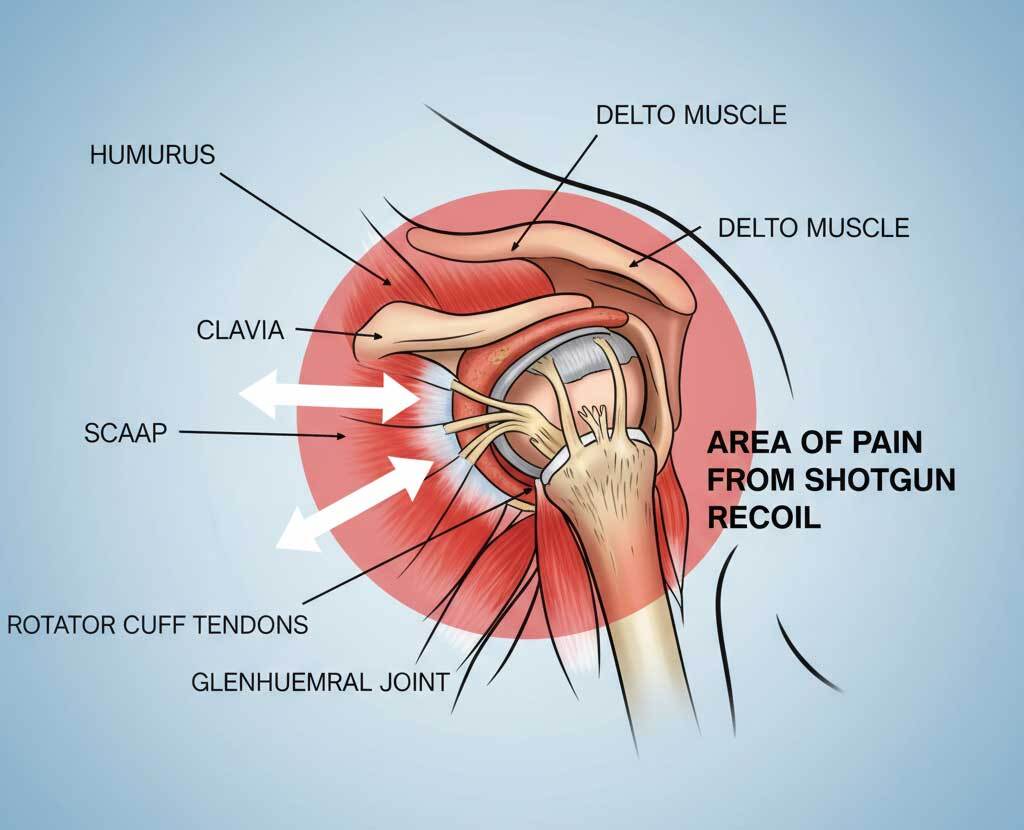
 Prevention Through Proper Shooting Technique