Category

Shooting Tips

The Difference Between 12 Gauge and 20 Gauge

By Shooting Tips

These two different shotgun gauges are the most common and popular among hunters and clay shooters. There are also 10, 16, 28, and .410 bores common in the arsenals of different shooters. “Gauge” refers to the bore diameter of the shotgun. The gauge of the shotgun impacts multiple factors when shooting, ranging from accuracy to the amount of recoil experienced by the shooter.

What’s the key difference between a 12 gauge shell and a 20 gauge shell?

At the end of the day, the main difference between gauge sizes is the number of BBs, which is often called the projectile or shot. A 12 gauge shell will typically have one to one and one eighth ounces of shot, while a 20 gauge shell will have about ⅞ ounces of shot. For hunting, the 12 gauge shell offers a wider shot for birds, better patterns for waterfowl, and more weight when shooting turkey. For clay shooting, the 12 gauge and its wider spread might be a more suitable option for someone who wants to break more clay pigeons.

How much recoil does a 12 gauge shotgun have vs a 20 gauge?

The shooting experience and the type of shell used in a shotgun will directly impact the amount of recoil. For target and clay shooting, a 12 gauge produces about 18 ft-lbs of recoil. When hunting waterfowl, you will experience about 33 ft-lbs of recoil because the shotgun load is slightly different for that hunting experience.

A 20-gauge shooter will experience about 11 ft-lbs of recoil for target shooting and about 19 ft-lbs of recoil for shooting waterfowl. In the rare occurrence someone is using a 10-gauge for target shooting, they will experience about 47 ft-lbs of recoil.

Which is the better gauge for clay shooting?

Many new shooters start with a 20 gauge because it has less recoil. Over time, many shooters transition over to a 12 gauge because of the wider spread and better odds of hitting the clay pigeon. Most shooters will use #8 shots and a tighter choke, letting them take advantage of the wider spread and greater number of pellets.

Should recoil be a factor when selecting your gauge?

Most new shooters will think about recoil when selecting their ideal shotgun gauge. That being said, recoil can easily be reduced by adding a recoil pad from Falcon Strike®. With a potential for 80% recoil reduction, your recoil from a 12 gauge shotgun will be only slightly more than that of a 20 gauge without a recoil pad. A new shooter can easily get acclimated to the 12 gauge and not have to transition over to a different gun later in their shooting career.

In addition to thinking about gauge size, a shooting instructor can help you choose the right type of gauge for clay shooting based upon your height, weight, shooting experience and other personal preferences.

How to Improve with Sporting Clays

Choosing the Right Type of Gun For Clay Shooting

By Shooting Tips

Clay target shooting is a popular sport that requires precision, accuracy, and the right equipment. The most important piece of equipment for clay target shooting is the shotgun; you need something that is accurate, comfortable, and absorbs recoil nicely. Let’s answer some questions about choosing the right shotgun for target shooting.

Which Gauge Is Best?

“Gauge” refers to the bore diameter of the shotgun, which determines the size of the shell that it can shoot. The most common gauges for clay target shooting are 12 gauge, 20 gauge, and 28 gauge.

The 12 gauge is the most popular choice for clay target shooting, as it offers the most power and versatility. It is also the most common gauge for competitive shooting events. However, some shooters may prefer a smaller gauge, such as the 20 gauge or 28 gauge, for a lighter recoil and improved handling. Some seasoned shooters might opt for a .410 gauge, which makes hitting the clay pigeon a little bit more difficult.

Should You Use a Longer or Shorter Barrel?

The length of the shotgun barrel is another important consideration. Longer barrels tend to be more accurate and offer a smoother swing, while shorter barrels are more maneuverable and easier to handle. The most common barrel lengths for clay target shooting are between 26 and 32 inches. As a rule of thumb, shorter barrels will be better for skeet shooting and you will enjoy better accuracy with clay shooting with a longer barrel. Add a source on this one.

Should You Use a Tighter Choke For Clay Shooting?

The choke is the constriction at the end of the shotgun barrel that affects the spread of the shot. A tighter choke will result in a narrower pattern, while a looser choke will result in a wider pattern. The right choke depends on the type of shooting you’ll be doing and the distance of the targets.

For trap shooting, which involves shooting at targets that are moving away from the shooter, a tighter choke is typically used. For skeet shooting, which involves shooting at targets that are crossing in front of the shooter, a looser choke may be preferred.

Make Sure Your Shotgun Has an Appropriate Length of Pull and a Good Recoil Pad

Make sure that your shotgun has an appropriate length of pull and a good recoil pad. Length of pull is essentially the measure of whether or not the gun’s size is a good fit for the shooter. If the length of pull is correct, the shooter’s support hand will be about one and a half inches away from their nose. Perfect length of pull depends upon the shooter and cannot be truly gauged unless they pick up a shotgun and actually inspect the gun for how it feels. Some shooting coaches and gun sellers will actually place cardboard spacers on the gun. Before the gun is sold, a shorter stock can be added and other changes can be made to the gun.

The stock is the part of the shotgun that the shooter holds. It’s important to choose a stock that fits the shooter well, as this can affect accuracy and comfort. A good stock should allow for a comfortable grip and proper alignment of the shooter’s eye with the shotgun’s sight.

A recoil pad from Falcon Strike® will also make your clay shooting experience more enjoyable, let you shoot with more accuracy, and let you spend more time on the shooting range.

Which Action is Best for Clay Shooting?

Shotguns come in several different types of actions, including break-action, pump-action, and semi-automatic. The action determines how the shotgun is loaded and fired. For clay target shooting, a break-action shotgun is a popular choice, as it offers a consistent and reliable performance with two-shots.

Is a Heavier or Lighter Shotgun Better?

The weight of the shotgun is also an important consideration. A heavier shotgun can help absorb recoil and provide a smoother swing, but it can also be more difficult to handle. A lighter shotgun is easier to handle, but may produce more recoil.

Finding the Right Shotgun for Clay Shooting

If you are looking for a shotgun that will make clay shooting exciting, go with a 12 gauge over/under gun. The heavier gauge will mean a heavier gun to help absorb recoil, enhance your accuracy, and let you get a second shot in.

Reduce Recoil, Increase Shooting Endurance and improve Accuracy with a FalconStrike Hydraulic Recoil. 

  • 5103 Hydraulic Custom-Fit Recoil Pad

    $179.99
  • Hydraulic Multi-Fit Recoil Pad for Medium Stocks

    $199.99
  • Hydraulic Multi-Fit Recoil Pad for Large Stocks

    $199.99
  • Hydraulic Multi-Fit Recoil Pad for Small Stocks

    $199.99
The Best Recoil Pads for Shotguns

The Best Recoil Pads for Shotguns: How Our Pads Help Your Shooting

By Shooting Tips

If you’re a shotgunner, you know that recoil can be a real pain – literally. But there are ways to mitigate the effects of recoil, and one of the best ways is to use recoil pads.

There are a lot of different recoil pads for shotguns on the market, but not all of them are created equal. Some, such as the FalconStrike hydraulic recoil pad, are better than others at reducing felt recoil and are amazingly comfortable to use – over rubber-only pads.

And because they’re comfortable, you’ll be able to shoot more accurately and with less pain. So if you’re looking for the best possible recoil reduction, keep reading because our recoil pads are absolutely the way to go.

What Is Recoil Exactly?

Shotgun recoil is something that happens when a gun is fired, resulting in a sudden backward movement of the gun. This recoil is caused by Newton’s Third Law of Motion, which states that every action has an equal and opposite reaction.

It is an essential part of the shooting process, as it helps to control the direction of the muzzle and allows for a more accurate shot. However, it can also cause discomfort and reduce shooting accuracy if not managed correctly or if you have poor-quality shotgun pads.

The impact of recoil on shooting accuracy and comfort is significant, especially if you have a lousy shotgun pad. Excessive recoil can cause the shooter to flinch or lose their aim, resulting in inaccurate shots.

It can also cause discomfort, particularly in inexperienced shooters who are not used to the kickback. To reduce the impact of recoil, shooters can use a variety of techniques, but good recoil pads for shotguns are the best way.

Can Recoil Hurt Me?

The recoil from a shotgun is a powerful force that can cause considerable damage to the body if not managed properly. The force of the recoil can cause bruising and abrasions to the shoulder and chest area, as well as sprains and strains in the arms and neck.

It can also cause a dangerous situation if the shooter is not prepared for the recoil and the gun is not adequately braced. In addition to these physical injuries, the recoil can also cause psychological trauma, such as anxiety, fear, and even PTSD.

Psychological trauma can be just as damaging as physical injuries and can have long-term effects on the shooter.

Proper preparation and training and a FalconStrike hydraulic recoil pad for shotguns can significantly reduce the risks of injury from shotgun recoil.

What are FalconStrike Hydraulic Recoil Pads for Shotguns?

Shooting is a hobby that can be enjoyed by people of all ages. However, learning how to shoot accurately takes time and practice.

Thankfully, there are products available that can help reduce recoil and make shooting more comfortable. One such product is the FalconStrike recoil pad.

The best recoil pad for a shotgun is not just a matter of opinion; it’s the FalconStrike hydraulic recoil pad. The hydraulic fluid works to match your body shape that contours the shoulder when the gun is fired. The shotgun wraps itself around you and you don’t have to wrap yourself around the shotgun.

The elastic bladder expands by 10% or more to spread the energy from the recoil around a larger surface area. The energy conversion dampener (found on aircraft landing gear) further works to reduce recoil energy by converting peak force into heat—that ultimately gets distributed evenly at the point of contact.

This innovative recoil pad is designed to reduce felt recoil and improve shooter comfort, accuracy, and performance. With its unique features and benefits, the FalconStrike is quickly becoming a must-have for serious shotgun shooters.

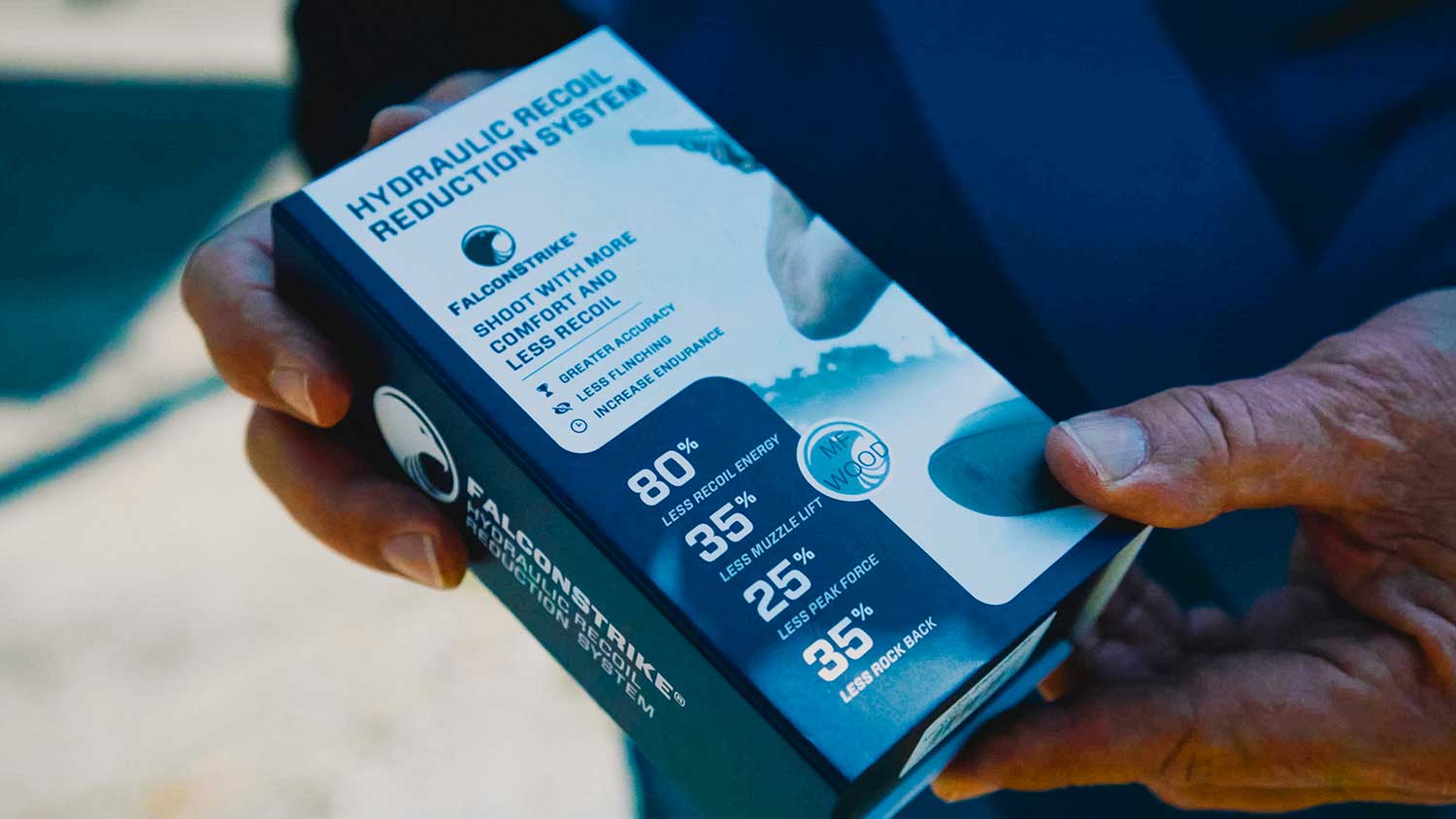
The FalconStrike features an advanced hydraulic system that absorbs and dissipates the energy created by the shotgun’s recoil. This system is designed to reduce felt recoil by up to 80%, making it much easier to keep your sights on target and maintain accuracy. The pad also features a unique contour that fits perfectly to the shoulder, providing maximum comfort and stability.

The FalconStrike also features a unique shock-absorbing material that helps to reduce muzzle rise and further improve accuracy. This material is also designed to reduce felt recoil, making it easier to stay on target while shooting.

The Benefits of FalconStrike Hydraulic Recoil Pad for Shotguns

In addition to its recoil-reducing features, the FalconStrike also provides a number of other benefits. Its unique design allows for easy installation and removal, and its lightweight construction makes it easy to carry and transport. The pad is also designed to be waterproof, ensuring that it will last for years to come.

Overall, the FalconStrike hydraulic recoil pad is an excellent choice for serious shotgun shooters. Its unique features and benefits make it the ideal choice for improving accuracy and comfort while shooting. If you are looking for a way to reduce felt recoil and improve your shooting performance, the FalconStrike is definitely worth considering.

What Do Our Customers Think?

Our customer reviews speak for themselves as GLS from the USA explained:

“I bought my first FalconStrike about two months ago for my trap gun. I decided to give it a good trial… On Tuesday evening, I shot 75 rounds without pain…

I just ordered another FalconStrike for my backup trap gun. I was skeptical at first, but the FalconStrike worked as advertised for me without all the movement of a recoil device and has made shooting fun again.”

Shoulder the Pain No More

If you are interested in improving your shooting accuracy with better shotgun recoil pads, or if you are looking for a more comfortable shooting experience, then the FalconStrike hydraulic recoil pads for shotguns may be the perfect product for you.

They’re specifically designed with comfort and, most importantly, safety in mind. To find out more or, indeed, to purchase one of our amazing recoil pads, click here to get hold of us without delay.

Shoot More Comfortably: The Benefits of Using FalconStrike Recoil Pads for Trap Shooting

By Shooting Tips

Are you involved with trap shooting? Do you wish there was a way to make each shot more comfortable and accurate? Do you hate the violent force of recoil?

As trap shooting grows in popularity, you’ll find yourself playing more games than ever before. You need to protect yourself from the detriments of recoil if you want to stay in the game for the long term.

Recoil pads are here to save the day. Keep reading to learn all about how they’ll aid your trap shooting!

Safer Shooting

Recoil isn’t possible to avoid, but when the recoil is too strong, it puts a lot of stress on your body. This results in potential injuries such as muscle strains, muscle tears, dislocations, and even sprains. Longer and more frequent playing sessions increase the possibility of these injuries.

This is why a hydraulic recoil pad is such an invaluable asset for all shooting enthusiasts. It lessens the severity of the recoil and lowers the amount of physical stress on your body. You’ll no longer suffer from slow fatigue setting in as your body takes the brunt of a strong recoil.

Reduced recoil means you’ll have no trouble playing as many matches as you want. That’s why every trap shooter should have a FalconStrike recoil pad within their shooting arsenal!

Increased Comfort

With less continued stress being put upon your body, each shot will feel far more comfortable than ever before. The controlled recoil keeps your body at ease, and your muscles won’t tense as much.

Not only does this lower the possibility of injury, but it also helps you stay in the zone.

A recoil pad softening each shot gives you extra energy to continue playing your best game. It also makes it easier for beginners to get started with trap shooting.

Better Accuracy

Another crucial benefit to using recoil pads is the increase in your shooting accuracy. It’s much more difficult to keep a level shot as you move through the course when there’s excessive recoil.

By using a recoil pad, you’ll have better control over the gun even if you need to shoot in rapid succession.

You’ll begin tearing through the range in better form in no time at all. With better accuracy comes higher levels of confidence. One of the most sure-fire ways to get better at any sport is to feel more confident and comfortable with the game.

If you’ve been wondering how to optimize your shooting, you’ll want to give recoil pads a try!

High-Quality Recoil Pads Amplify Your Shooting Skills

With all these benefits, it’s easy to see why so many people turn toward recoil pads to ensure every game is safe, comfortable, and fun. It’s the perfect way to strengthen your trap shooting without putting in any extra effort.

You can’t replicate these benefits with any other kind of gear, so make sure to add recoil pads for the best results!

Are you looking to buy a set of top recoil pads that’ll improve your shooting game? Check out our store to add FalconStrike Recoil Pads to your equipment!

Boost Your Shooting Accuracy: How FalconStrike Recoil Pads Can Help You Stay on Target

By Shooting Tips

Recoil from anything bigger than a .22 can often be painful, disorienting, and reduce overall accuracy. It’s sometimes powerful enough to leave bruises and, in certain cases, even agitate medical conditions.

Competitive shooters need every advantage at their disposal to maintain high accuracy. Even if you aren’t competing, you want to make shooting a less painful experience. The best recoil pads can change your shooting experience forever.

In this recoil pad article, learn how FalconStrike recoil pads work. Soon you be ready to make your trap shooting experience more enjoyable.

What Are Recoil Pads?

Recoil pads are an attachment that you secure to the butt of your rifle or shotgun. It puts a soft, slightly squishy bumper between your shoulder and the hard stock of the weapon. Inside the recoil pad is a bladder filled with non-toxic hydraulic fluid and a dampener.

When you fire the weapon, the bladder expands and disperses the recoil evenly over a larger surface area. This is a form of dampener, similar to the technology on an aircraft landing gear.

The kick from your gun causes your barrel to kick back and move off of your intended target. It’s a minute effect, but it has a significant impact on accuracy and recoil-induced pain. The dampener dramatically reduces this kick and reduces the overall shock effect on your shoulder.

Benefits of the Best Recoil Pads for Trap Shooting

Recoil pads are easy to install and require no training to use. You can leave the recoil pad on your rifle and it will serve you well for many years to come.

Benefits include:

  • Greater shooting endurance during a day at the range
  • Improved overall comfort
  • Reduced pain and bruising on your shoulder bones and muscles
  • Minimal flinching and greater accuracy
  • An alternative (or supplement) to a muzzle brake
  • Customizable fit to ensure the best shock absorption possible

Tips for Using Your Recoil Pads

If you purchase a recoil pad, proper usage will ensure you get the best experience.

Make sure you install the base plate and fasten your FalconStrike recoil pad correctly. Press it firmly against your shoulder pocket when shooting, just as you would otherwise.

Do not try to compensate for the recoil as suggest by some shooters using the push/pull method. Instead, allow the FalconStrike to work as intended to reduce felt recoil.

Why FalconStrike Pads Are the Best Recoil Pads

Many recoil pads are just simple rubber bumpers. It’s almost like a boxer putting on gloves to punch you rather than going bare-knuckled. It provides practically no protection or energy dispersement other than to make the butt feel softer against your shoulder.

FalconStrike uses patented groundbreaking hydraulic technology that you won’t find with other brands. If you don’t believe us, you can find plenty of reviews that sing this recoil pad’s praises. Customers vouch for FalconStrike above other comparable brands.

Buy a FalconStrike Recoil Pad Today

The best recoil pads help you improve shooting accuracy, reduce pain, and shoot for much longer. FalconStrike recoil pads achieve this with a hydraulic bladder insert that disperses recoil shock. These pads are best in their class and ideal for casual and professional shooting.

FalconStrike provides custom-fit recoil pads perfect for your weapon of choice. Visit our website and build a custom pad today.

How to Improve with Sporting Clays

How to Improve with Sporting Clays

By Shooting Tips

Without question, the past few years have put people around the world to the test.  The COVID pandemic has been horrible, and people have had to find alternate ways to be entertained. They found that being outside was both healthy and enjoyable. Enter the clay target shooting sports like trap, skeet, sporting clays, and other clay games. Outdoor pursuits that men, women, and children found habit-forming.  

1. Make Clay Shooting Work for You

When it comes to new shooters, the sporting clays game has attracted the most participants.  The game is similar to golf in many ways and people find it to be fun and very social. There are millions of people who shoot clays for pure recreation and fun. Those who have discovered the game strive to get better at it. So how can a sporting clays enthusiast improve his or her game? There are many ways, but it is always best to learn the basics first, as the fundamentals of the game will always give a shooter something to fall back on when scores are inconsistent.  

2. The Clay Shooting Basics

The most basic fundamental of clay shooting is how to use your vision. The eyes send information to the brain which guides the hands and the gun. In sporting, you will use what is defined as a visual focal point. That is the area in the flight of a target when it becomes crystal clear to your vision as it leaves the trap.  

In most instances, it is best not to look right at the trap for the target.  The starting point for the muzzle of the gun should be just ahead of where the target is visible to your vision and just below the line of the target where you plan to shoot it.  This lets the gun travel to the target and forwards for the lead while staying on the line of the target as it moves. 

In sporting clays, you can view the targets that will be shot on a station. This allows you to make a plan of attack for that target or pair of targets.  When the targets emerge from the trap, determine where the first target shot will be seen, and pick a spot in its flight that you have to break it. At the breakpoint, what is the target doing? Is it rising, falling, turning left or right? Making a plan on how to shoot a target is key to your success.  

You will find that lead pictures are solely based on the angle of the target presentation when the shot is taken. The more a target crosses in front of you, the more lead the target will take.  As the target angle decreases, the lead to hit it also decreases. As a result, quartering targets take much less lead than crossing targets when shot at the same distance and speed. 

3. The Mechanics

Developing the mechanics of a proper gun mount is important but getting the eyes slightly above and just left or right of the gun to see the target before the gun sees it is critical. As you see the target you can move the gun to it, in order to then establish your desired lead picture. This allows you to see the target clearly without trying to find it with the muzzle of the gun. When the eyes see the target first, the gun can be moved precisely to where the eyes are focused.  

There are so many elements to a successful shot, but these are a few of the fundamentals of the sporting clays game that will help you build your game quickly.  Job one is to get the gun comfortable to shoot.  Once that is done shoot as often as you can and enjoy the ride to the top. 

You will find that selecting a gun that is comfortable to shoot is the first step to improving your scores. A properly fitted shotgun is key to instant improvement since a fitted gun will shoot where you look and will offer less recoil.  

4. Recoil and How to Fix it

Speaking of recoil, many shooters are concerned about just how much recoil or kick the gun they are shooting will put on their shoulders and face. The shooting industry has come up with several recoil suppressing products that do reduce the felt recoil of a shotgun.  

One product on the market is a recoil pad by Falcon Strike.  This pad utilizes a Hydraulic Dampening technology developed by the military and the aerospace industry to distribute and soften recoil in the shoulder and face of a shooter.  The company claims that when using the pad there is 80% less recoil energy, and 35% less muzzle jump, which significantly reduces overall felt recoil.  Independent testing indicates that the product does significantly reduce the felt recoil of a shotgun and reduces the muzzle jump which allows shooters to more quickly locate and shoot the second target of a pair.  With a shotgun that is comfortable to shoot, you can learn to play the sporting clays game.  

Make your next Sporting Clays outing more comfortable with the FalconStrike Hydraulic Recoil Pad! 

  • 5103 Hydraulic Custom-Fit Recoil Pad

    $179.99
Marty Fisher

By Marty Fisher
Marty Fischer is one of America’s best-known outdoor personalities. He is the host of the Wing & Clay Nation radio series and has been a fixture on national outdoor television for more than a quarter century. Millions have read his articles in numerous outdoor and lifestyle magazines. For the past three decades he has dedicated his life to his passion for the outdoors as a shooting professional, television and video host, shooting instructor, gun club design and business consultant, outdoor writer and book author, public speaker and volunteer instructor for youth shooting sports programs across the country.

trap shooting recoil reduction

What is Trap Shooting?

By Shooting Tips

Where Trap Shooting Began

Trap Shooting Olympics

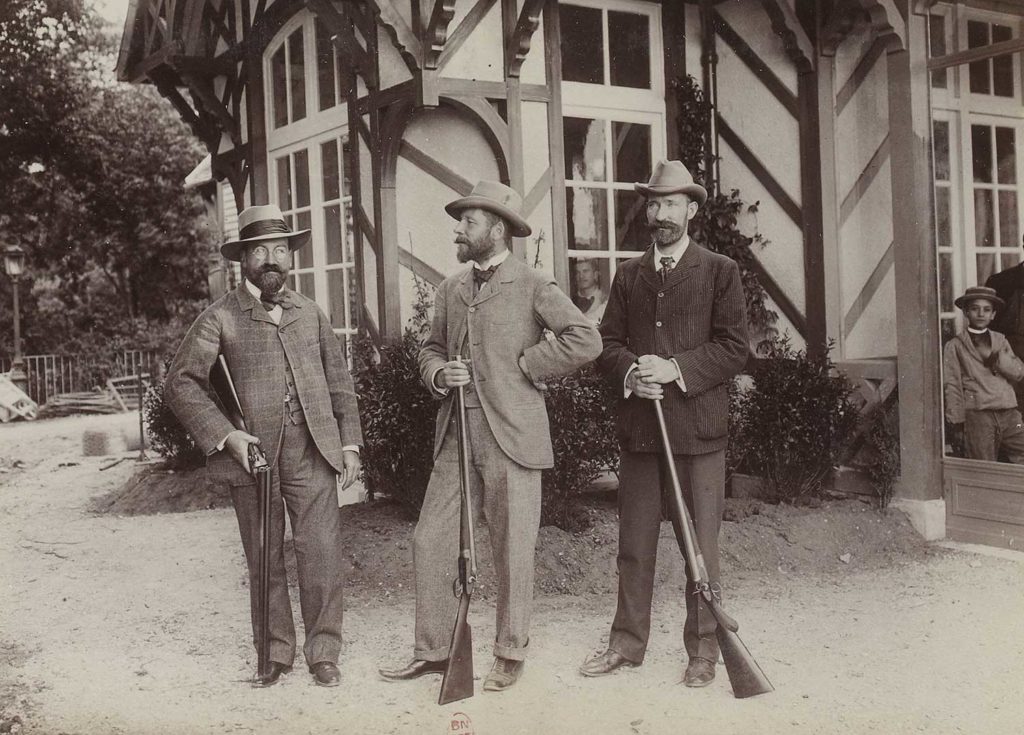
Contestants in the live pigeon shoot: Maurice Fauré (France), Léon de Lunden (Belgium), Donald Mackintosh (Australia)

Trapshooting is the oldest of the clay target sports. We owe it all to Marin le Bourgeoys from Normandy in France. In the early 1600s, he improved the existing flintlock so that the lock time became quick enough to shoot flushed game birds. Bird hunting started to catch on. In England, in the late 18th century live pigeons were released from boxes or traps and shot as a practice for bird hunting. In the late 19th century, glass balls were thrown in the air as targets were substituted for live pigeons.

Trapshooting started in the USA around 1825 using those glass balls filled with feathers. Annie Oakley once shot 4,722 out of 5,000 of them. Later, around 1880, clay targets, called “clay pigeons” for obvious reasons, were substituted for glass balls. Shooting clay pigeon targets from traps became so popular in the USA and elsewhere that a form of trap was included in the 1900 Olympic Games. It has remained almost uninterrupted to this day.

American Trap
The Trap Shooting We Know Today

Today, an American trap field has a single laterally oscillating trap that throws the bird 50 yards starting at just under 50 mph. Target height doesn’t vary and is set at 8 to 10 feet. The sidewise angle at which the targets are thrown varies 34° or a little more. The random oscillation of the target is what makes the game challenging as you don’t know where the bird is going until it is released.

There are five shooting positions in a curved row 16 yards behind the trap. In Sixteen Yard trap, each shooter in turn calls for his single target and takes one shot. Shooters get five targets on each station for a total of 25. You can see a trap field diagram and read the rules at the website of the governing body of traps in the USA, the Amateur Trapshooting Association, at www.shootata.com.


Handicap and Doubles Trap

American trap also includes Handicap traps and Doubles. Behind each 16-yard shooting station, there is a line of stations extending back to 27 yards. Depending on a shooter’s handicap classification, he will shoot handicap from an increased distance back. This increases the difficulty and requires more precision. The target is the same as in a 16-yard trap, but the shooters are further away and require even more precision.

The third type of trap the ATA sponsors is the Double trap where the shooter has two shots at two targets thrown at the same time. This is shot on the same field and the shooters line up on the 16-yard line, but the trap machine is fixed and does not oscillate the way it does on singles. However, the shooting angle does change as the shooter moves from station to station.

Other Trap Games

Those are the three games covered by the American trap. But wait, there’s more. The rest of the world also has slightly different trap games. Down The Line, DTL is quite popular in the English Commonwealth countries. The field and machine settings are about the same as the American trap. The main difference in DTL is that you can shoot twice at a single bird if you miss the first time. There is also Wobble Trap. Wobble Trap is where a standard trap field uses a vertically and horizontally oscillating machine throwing the usual 50 yards.

Olympic Trap

And then there is the Olympic trap game, also called Bunker or Trench. It is shot all over the world. The field is about the same as it is for American trap, but it stops there. Instead of one horizontally oscillating machine, there are fifteen fixed traps set in a ground-level bunker 16 yards in front of the five shooting stations.

There are three machines in front of each shooter. Each machine is set to throw the target up to 83 yards at almost 65 mph. Making it much faster than the American trap. The machines are also set to vary laterally up to 90°. There is a considerable vertical variance too, so the targets go all over the place. A computer governs the machine sequences and assures that each shooter ends up with the same presentations at the end of the round while the shot order is different. On the plus side, you do get two shots at each target. On the downside, you can only use ⅞ oz shot shells, as opposed to the 1-⅛ oz permitted in American trap, so you have fewer pellets on your side.

Most Popular

Trap, in one form or another, is still the most popular of the clay target games. It can provide a wide variety of difficulty levels and appeal to shooters of all ages and experience levels. These clay pigeons don’t have feathers, but they sure can be challenging and fun.

Bruce Buck

By Bruce Buck
Bruce Buck has championships in both International Skeet and Sporting Clays. He has also been a coach at the US Olympic Training Center in Colorado. He writes for Clay Shooting USA and Shooting Sportsman magazines as well as the website www.ShotgunReport.com.

Make your next Trap Shooting outing more comfortable with the FalconStrike Hydraulic Recoil Pad! 

  • 5103 Hydraulic Custom-Fit Recoil Pad

    $179.99
Sporting Clays

Sporting Clays: A Gateway to Shooting Sports

By Shooting Tips

In an age where politics and personal opinions seem to reign supreme, the essence of “fun” has been lost in many areas.  The sporting world is no exception.  Polarized by 2nd Amendment conversations and passionate posturing, the shooting sports have been hit hard by current societal norms.  That said, I am an incurable optimist.  If you’re ready for good news, read on!

Shooting Clay PigeonsThe Fun Factor

Enter: sporting clays.  A few decades ago, the idea was conceived to create “hunting-reminiscent” shooting scenarios to both entertain and challenge the intrepid bird hunter.  So, shotguns in hand, shooters across America took to the sporting clays course and tried their hand at dynamic target presentations and diverse shooting scenarios set within more natural environments.

Sporting clay shooting is one of the fastest-growing sports in America, with some 13 million estimated participants in the United States, it’s hard to imagine a time when it wasn’t a major part of the shooting landscape. (Source: Brays Island)

Today, sporting clays has morphed into its own realm, with many participants engaging in that shotgun shooting discipline only.  This means a couple of things.  First, the guns and gear are somewhat different for sporting clays than the more traditional disciplines of trap and skeet, thus opening up entirely new markets for manufacturers.  Second, and more important for our conversation, sporting clays is an experience, not just a sport.

Let’s look at that last thought and how it creates a gateway, not just a sub-set.

Golf With a Shotgun

Sporting Clay Score Card

Sporting Clay Score Card – Photo Credit: Undead Earth

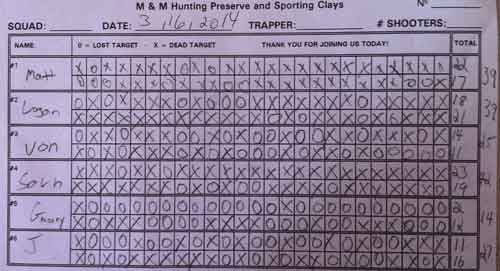
When I explain to non-shooters what the different shotgun games entail, I describe sporting clays as “golf with a shotgun.”  It’s a cultural experience focused on multi-location challenges, focus, mental game, physical fluidity and competitive acumen.  It also happens to involve guns.

On the competitive side, an “X” means a broken bird.  Most sporting clays courses are set in a baseline of 50 targets with the option to shoot 100.  The more Xs on the score card, the better!

Here is where sporting clays become the gateway to the sporting world.  Some non-shooters/anti-gun enthusiasts shut off when “guns” are mentioned.  Sporting clays takes the emphasis off the gun and puts the focus on the skill, capacity, social desires and competitive edge of the individual instead.  The upshot to this is that individuals previously completely opposed to “going to the range” now have a much more socially acceptable outlet in which to participate.

The Basics of Sporting Clays

Let’s break down three components.

  • Safety is priority number one.  This is an unwavering concept found across the shooting disciplines, including sporting clays.
  • Etiquette: In addition to the golden tenets of gun safety, there are also range etiquette mores sporting clays shooters are expected to follow. This can include (but is not limited to) things like, the number of show birds a squad may receive, guns remain open and empty unless in the stand and ready to shoot, no back up shooting, conversation volume while a shooter is in the stand, etc…  Generally, there is not a dress code specific to the sport, but there may be one for the actual course/venue.
  • Stands: On the subject of stands, there can be a lot of latitude here.  Some sporting clays courses have elaborate structures that are covered, boast comfortable seating and feel like spacious pavilions from which you happen to shoot.  Other courses have a stake or hula hoop in/on the ground delineating the general area for the shooter to stand.
  • Recoil: Recoil can limit endurance and accuracy over the course of an afternoon round. Recoil pads like FalconStrike can make a round of sporting clays more enjoyable.

To traverse from stand to stand, the options depend upon the place.  Some courses have concrete cart paths and golf carts putt from one stand to the next.  Others have more of a walking focused course, with the overall distance and terrain geared toward those looking for more physical engagement.

Sporting Clays StandWhether walking a narrow, wooded trail to a primitive station or cruising a double-wide cart path to a luxurious station in a custom cart, there is an undeniable symmetry when the gun closes and “Pull” rings out.  Sporting clays is the ideal recreational access point for people of diverse ages, personalities and priorities to engage in the shooting sports.
For those of us already living and loving life at the range, it is our calling to share this experience as positively and prolifically as we can.  Sporting clays is the gateway to the shooting world.  It helps create community amongst strangers and social acceptance in previously unacceptable (to some) activities.

When that new shooter steps up to the stand, calls “pull” and breaks that first target, the only thing that matters is the universal “I got it” smile when they step off the stand.  That’s what sporting clays is about – fun, community, camaraderie and breaking barriers like they’re clay targets.  Shooter ready?

Andrea Bogard

By Andrea Bogard
Andrea has been an NSCA Level 1 instructor since 2001, specializing in introducing people of all ages to the shotgun sports.  She is an avid hunter and has chased both fur and feathers in locales around the world with rifle, shotgun and bow.  She resides in Northern Michigan with her two sons.  Learn more at andreabogard.com

Make your next Sporting Clay outing more comfortable with the FalconStrike Hydraulic Recoil Pad! 

  • 5103 Hydraulic Custom-Fit Recoil Pad

    $179.99
Best Recoil Pad For Long Range Shooting

A Few Points On Recoil Pads For Long Range Shooting

By Shooting Tips

Long-range shooting has become synonymous with precision shooting. Gone are the days of just hitting a large steel gong at super long distances. Today shooters are focused on shooting small controlled groups at what previously would-be unheard-of distances. The factors that go into this are many and include a newly developed interest in the long-range arena. Equally as important however are advancements in equipment and technology. The term MOA or minute of angle refers to the size of a group of shots at a specific distance. Its baseline is set at 100 yards and is equal to a one-inch group at this distance. So, a one MOA rifle will be able to shoot one-inch groups at one hundred yards. Not that many years ago, a MOA or especially a sub-MOA gun was a unique and special production. The reality today is quite the opposite. Finding a gun that is not MOA capable is the anomaly in the firearms industry.

Run the gun

The X factor in all of this, however, is more than just the gun and its ability to perform. The person running the gun must be capable to do what they need to do in order to experience that level of performance. In short, you need to be able to run the gun well in order to get the precision it is capable of. There are many factors that go into this with a mix of training and supplemental equipment. Training on the techniques and methodology behind precision shooting is critical simply because it is unique to that arena.

Long Range Shooting Mechanics and Equipment

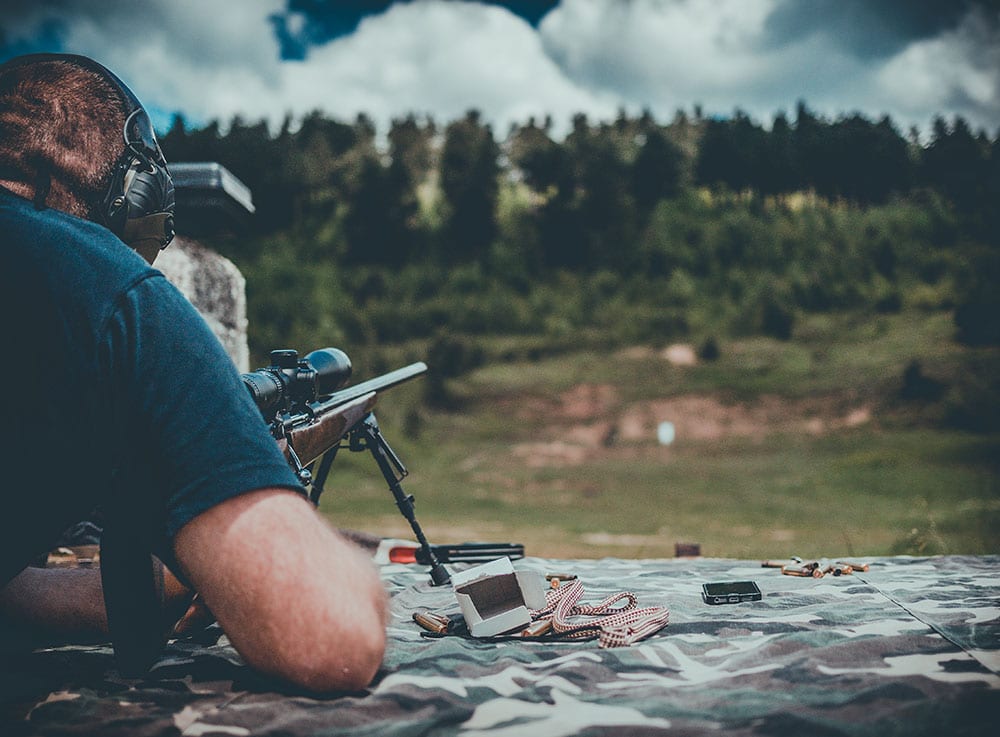
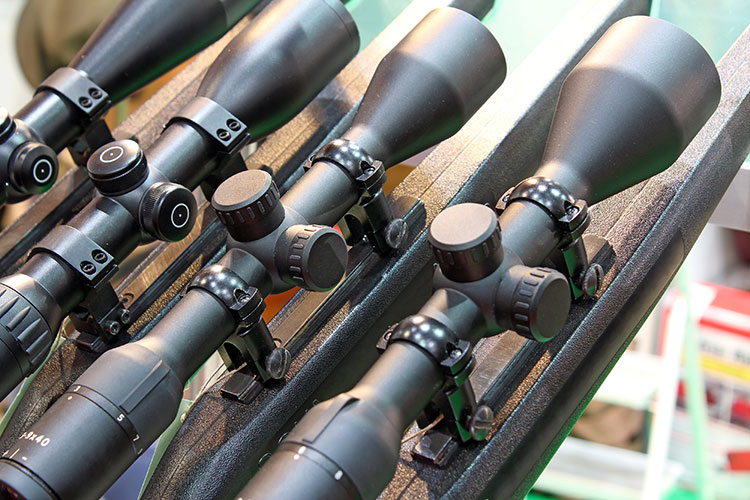
While obvious things like smooth trigger press and follow-through are found in all shooting skills, the ability to get a good position on the rifle and knowledge of ballistics are also important. Equipment-wise, a serious shooter needs good optics on their gun. Clear, reliable, and durable scopes are one of the cornerstones of accuracy. To many, this is a well-known principle. There is however another item that many shooters overlook, a well-made recoil pad. The laws of physics never take a day off and are a major part of long-range precision shooting. This is, even more, the case in rifle shooting above handgun or even shotgun for that matter because hyper precision is involved.

When the gun is fired, there are a series of events that generate recoil on the gun. There is no escaping it and if not managed correctly, it will ruin your chance of enjoying serious accuracy. A good recoil pad helps in a few ways:

  1. Mitigates excessive push against the shooter’s shoulder, which can push the shooter out of position even slightly.
  2. Improves the shooter’s ability to get back on target quickly and reengage with follow up shots.
  3. Large caliber rifles without a recoil pad will affect a shooter’s physical and psychological mindset in training and competition. Recoil becomes annoying at first and then painful. This can lead to losing focus on the task and worse, a preemptive flinch in anticipation of the discomfort that is headed their way when the next shot fires. This flinch will eliminate any hope at high-performance accuracy. A recoil pad can mitigate these effects.

In most cases, there are slide on rubber devices that have a variety of air spaces or proprietary honeycomb “shock-absorbing” designs. Some provide a modest amount of relief while others are nothing more than a hard piece of rubber attached to your gun.

Hydraulic Recoil Pad for Long Range Shooters

There is another device that falls into the category yet should actually be in a category by itself. It is a custom fit recoil pad that utilizes patented hydraulic dampening technology. This is the FalconStrike and it borrows its design from the aerospace industry. This advanced recoil pad converts up to 80% of the generated recoil energy into heat. That heat, in turn, is then absorbed and distributed evenly at the point of contact with the body. The hydraulic fluid in the device works to match the shooter’s body shape that contours the shoulder when the gun is fired. The result of this is that the gun wraps around you as opposed to the shooter wrapping around the gun. The device touts some very impressive numbers as well. It provides 80% less recoil energy, 35% less muzzle rise, 25% less peak force, and 35% less rock back.

While it may sound cliché, the FalconStrike Hydraulic Recoil Reduction System takes care of everything. The beauty of this design for precision shooting is that it allows the shooter to more effectively stay on target while experiencing no discomfort. It is one item that while overlooked by many, should be an essential part of any precision rifle set up.


Buy FalconStrike

Do recoil pads work?

Do Recoil Pads Work?

By Shooting Tips

Recoil will NEVER be totally eliminated, but it can be very easily managed to seem as though it has. So, yes, they do work as long as the recoil pad is made properly.

No matter what firearm platform you choose to shoot there is one ever-present factor that plagues them all. One undeniable force that has caused not only frustration but depending on the firearm literal physical discomfort as well. This force that most shooters consistently fight against is recoil. The amount of recoil can drastically differ between different firearms. Some have less and are much easier to run while others may make you feel as though you’ve physically taken a beating. Regardless of the recoil amount, the simple fact remains that’s it’s always there.

Recoil is an Issue We are Constantly Combatting.

Sharpening our shooting skills and fundamentals can help. Through proper grip, stance and trigger control we can absorb and dissipate recoil with our bodies. In no way are we getting rid of recoil, we are just learning how to control it better. Utilizing your body for this is much easier when it comes to shooting handguns. Switching it up to certain rifles and shotguns however, this becomes a much more difficult task. Even with proper grip and stance, there’s a certain amount of recoil shooters have just accepted as part of the process. Waking up after a long-range session to sore arms and possible bruises have become expected and we just deal with it.

Over the years certain products have come to light that actually aid in recoil management. The one I want to shed light on today are recoil pads and the common question of’ “Do recoil pads really work? I could list out reviews from the general public showing statistical answers, but I really don’t feel that is truly beneficial. That is still only an “opinion” and not fact. Instead, I want to bring out black and white facts, physics and concrete reasons to support what I believe to be true, that recoil pads do in fact work.


Hydraulic Recoil Pad for Wood Stocks

First, we need to understand recoil. Newton’s third law comes into play with every action having an equal and opposite reaction which goes hand in hand with momentum conservation. I promise not to inundate you with a long-winded physics lesson here, but it is important to understand the principle. Every round and shell has a certain amount of gun powder, or “explosive material”. When the firing pin strikes, the “explosive” is ignited causing the round/shell to propel forward from the gun, this is Primary Recoil. Once this happens the gas that is released from behind the round/shell accelerates the gun backward. This is Secondary Recoil.

Primary Recoil is not the Recoil That we Feel.

What’s socking us in the shoulder is the effect of the secondary recoil. Depending on what you’re shooting the aftermath can be quite painful. Without proper grip and stance, shooter’s often end up stumbling back, or worse yet, on the ground. When the correct shooting fundamentals are there, shooters can handle and absorb the recoil but typically with a painful price that follows a bit later. This is where products such as a recoil pad come into play.

There are many manufacturers who have come out with recoil pads promising an elimination of recoil. The question is, do recoil pads really work?

Now that we understand primary and secondary recoil as it pertains to Newton’s third law, it should be evident that incorporating a barrier between you and the stock should be able to protect you from the punishing effects of recoil. Recoil will NEVER be totally eliminated, but it can be very easily managed to seem as though it has. So, yes, they do work as long as the recoil pad is made properly. Not all recoil pads are even in the same league. Any soft barrier will obviously help take out the “sting” but only a well-designed recoil pad will make you really feel the difference.

Remington-Hydraulic-Recoil-Pad-for-870As a consumer, you need to be looking for a product that does more than just soften the blow. A good recoil pad should reduce the recoil energy, muzzle life, peak force and rock back. This is done through scientifically converting the recoil energy into heat which causes it to be absorbed and distributed evenly at the point of contact, which would be the shoulder. This energy conversion is typically done through water or air which expands to wrap the recoil pad around your body vs you wrapping your body around the gun. When utilizing a good recoil pad you should notice quite a difference in your shooting such as; less flinching, less pulling and less compensating for absorbing felt recoil.

A sound recoil pad that is scientifically engineered beyond just “another rubber pad” absolutely works when paired with good shooting fundamentals. Utilizing recoil pads will enhance your shooting experience and enable you to shoot longer. They are also a wonderful option when introducing people that may be more timid or fearful into the shooting realm. Shooting doesn’t have to be punishing, with the right products that are true to what they claim it can be a very enjoyable experience that doesn’t leave any punishing effects.

  • 5103 Hydraulic Custom-Fit Recoil Pad

    $179.99